When to Buy a Computer for a Child: Elementary and Middle School Guide
Is the iMac Good for Video Editing? M4, Memory, SSD, and Ports

About the Author
Sesera editorial account organizes laptop, mini PC, smartphone, and gadget buying guides so readers can check the important points before buying.
“Can I buy an iMac for video editing, or will I regret not choosing a Mac mini or MacBook Pro?”
“Is the M4 iMac enough for Final Cut Pro, 4K footage, and everyday creator work?”
That is the right question to ask before paying for upgrades. The iMac looks like the easy answer because the display, speakers, camera, keyboard, and mouse are handled in one purchase. Video editing is less simple. Memory, SSD storage, external drives, ports, and export time matter as much as the chip.
Here is the practical answer. Choose the iMac if your editing stays at one desk and most projects are short YouTube videos, social clips, family videos, lessons, or light 4K edits. Start from 24GB memory, 1TB SSD, and the four-port model if the iMac will be your main editing computer. Choose Mac mini or MacBook Pro instead if you need a larger custom monitor setup, M4 Pro or higher performance, frequent external drives, or editing away from your desk.
Start with the videos you actually edit
The iMac is strongest when video editing is part of a clean fixed desk. If you edit short videos, trim family footage, make social clips, prepare lessons, or cut light 4K projects, the current M4 iMac is fast enough to feel comfortable.
The mistake is buying it because the screen looks beautiful, then asking it to behave like a dedicated production workstation. Long multicam edits, heavy color work, large After Effects projects, 3D scenes, and constant external storage use push you toward a Mac mini, MacBook Pro, or Windows GPU desktop.
| Editing work | How the iMac fits | Best starting point |
|---|---|---|
| Family videos and school projects | Very comfortable | 16GB to 24GB memory, 512GB or 1TB SSD |
| Social clips and short YouTube videos | Comfortable | 24GB memory, 1TB SSD |
| Light 4K editing | Works well with the right storage | 24GB memory, 1TB SSD, external SSD |
| Long 4K projects | Possible, but not the best value | Consider Mac mini or MacBook Pro |
| Multicam, VFX, 3D, paid production | Not the iMac’s best role | Look at stronger Mac or GPU PC options |
The M4 chip is not the weak point for light editing
For lighter video work, the M4 chip is not the part I would worry about first. Apple lists the 24-inch iMac with the M4 chip, up to a 10-core CPU, up to a 10-core GPU, hardware-accelerated media engines, and a 24-inch 4.5K Retina display. That is enough for a lot of Final Cut Pro and everyday creator work.
The buying decision should move quickly from chip name to configuration. A base iMac can open editing software, but a main editing desk needs enough memory, internal storage, and ports so the work does not keep stopping for cleanup, adapters, or file juggling.
Official specs: Apple iMac technical specifications.
Choose the iMac for its display and desk simplicity
The built-in display is the main reason to choose iMac over a small desktop box. Apple lists the current iMac display as a 24-inch 4.5K Retina panel with 4480 by 2520 resolution, 500 nits brightness, P3 wide color, and True Tone. For a single clean desk, that is a strong editing screen out of the box.
It works well when you want timeline, preview, browser tabs, notes, and file windows on one tidy screen. It is less ideal if you already know you want a 27-inch, 32-inch, ultrawide, or dual-monitor editing setup. In that case, the iMac’s all-in-one design becomes a limit rather than a benefit.
Final Cut Pro is the easiest match
If you mainly edit in Final Cut Pro, the iMac makes more sense. Final Cut Pro is built for macOS and Apple silicon, and its official requirements are modest compared with what serious projects actually need: Apple lists macOS 15.6 or later, 8GB memory, 16GB recommended, and 6.5GB of available disk space.
Do not read those minimum requirements as a buying target. They only say the app can run. For an iMac you expect to keep for years, 24GB memory and 1TB storage are the more realistic center for regular video editing.
Official requirements: Final Cut Pro tech specs from Apple Support.
Start at 24GB memory for a main editing iMac
Choose 16GB only if video editing is occasional and light. It can work for learning, family videos, and short clips, especially when you keep other apps closed and use external storage carefully.
For a main iMac, I would start at 24GB. Video editing usually means the editor, browser, photos, notes, cloud sync, chat, audio files, and export windows are open together. That is where extra unified memory stops the computer from feeling tight.
Choose 32GB when the iMac will be a long-term creative desk for 4K projects, Adobe apps, photo editing, music production, or heavier multitasking. If your workload is already heavy enough that 32GB feels mandatory, also compare Mac mini and MacBook Pro before buying the iMac.
Related guide: How Much Memory and SSD Storage for iMac: 16GB, 24GB, or 32GB?
Do not buy the 256GB model for video editing
Video files fill storage quickly. A few phone clips, camera files, render files, cache, project libraries, music, thumbnails, and exported versions can turn a small SSD into a weekly cleanup job.
For video editing, 512GB is the floor, not the comfortable choice. Choose 1TB if this iMac will hold active projects. Choose 2TB only when you know large media libraries will stay on the internal drive and the price still makes sense.
| Internal SSD | Video editing fit | My take |
|---|---|---|
| 256GB | Too tight | Avoid for video editing |
| 512GB | Usable for light work | Plan on an external SSD |
| 1TB | Best starting point | Right choice for a main editing iMac |
| 2TB | Comfortable but expensive | Buy it only if media stays internal |
Even with a good external SSD, the internal drive still needs room for apps, cache, exports, downloads, and the current project. If buying 1TB forces you down to 16GB memory, I would usually choose 24GB memory plus a reliable external SSD before paying for a huge internal drive.
Pick the four-port model if drives and gear stay attached
Ports matter more for video than they do for office work. A normal editing desk may use an external SSD, SD card reader, audio interface, microphone, backup drive, wired network adapter, and sometimes an external display.
The two-port iMac can work for light edits, but it gets crowded quickly. If you are buying an iMac specifically for video editing, the four-port model is the cleaner choice. It reduces adapter clutter and gives your external storage setup more room.
Choose Mac mini when you want a bigger editing setup
Mac mini is the better answer when the desk matters more than the all-in-one design. You can choose a 27-inch or larger monitor, add multiple displays, pick your own camera and speakers, and move to M4 Pro if your editing work benefits from more sustained performance.
The tradeoff is that Mac mini is not a complete setup by itself. Once you add a good monitor, keyboard, mouse, webcam, speakers, and storage, the total price can move closer to an iMac than the base Mac mini price suggests.
Related guides: iMac or Mac mini: Which Should You Buy for a Clean Desk or Custom Setup? and Mac mini M4 or M4 Pro: Which Chip Should You Choose?
Choose MacBook Pro when editing has to travel
The iMac cannot follow you to a shoot, classroom, office, hotel, cafe, or client meeting. If you need to edit away from one desk, buy a portable Mac first and add a monitor later if you need a larger workspace.
That does not make the iMac weak. It makes it specific. It is a desk Mac for people who know where they will work. If your schedule includes travel or frequent location changes, MacBook Pro is the safer editing machine.
Check Windows if your software needs a GPU path
For Final Cut Pro and a clean Apple desk, the iMac is a natural fit. For Premiere Pro, DaVinci Resolve, After Effects, Blender, 3D rendering, game capture, or software that benefits from NVIDIA GPU features, a Windows creator desktop can be the better long-term tool.
If you are not locked into Final Cut Pro, compare the whole workflow before buying. The iMac is best when the display, simplicity, and macOS workflow are part of the value. It is not the best purchase when your main bottleneck is GPU rendering or expandability.
Comparison route: Specsy video editing PC list.
Use this buying baseline
If I were choosing an iMac mainly for video editing, I would not start from the cheapest model. My baseline would be 24GB memory, 1TB SSD, and the four-port version. That is the configuration that best matches the iMac’s role as a comfortable fixed editing desk.
Choose 16GB and 512GB only when the videos are short, the budget is strict, and you are comfortable using an external SSD from the beginning. Choose 32GB if the iMac will also handle heavier creative work every week.
Skip the iMac when you already want a larger monitor, M4 Pro performance, a portable editing computer, or a GPU-heavy workflow. In those cases, the better purchase is usually Mac mini, MacBook Pro, or a Windows creator PC.
FAQ
Is the iMac good for video editing?
Yes, the iMac is good for short videos, social clips, family videos, lessons, and light 4K editing at one fixed desk. It is not the best first choice for long multicam projects, heavy effects, 3D work, or workflows built around several external drives.
Is 16GB memory enough for iMac video editing?
16GB can work for occasional light editing, but 24GB is the better starting point for a main video editing iMac. Choose 32GB if you also use Adobe apps, edit 4K projects often, or keep many creative apps open together.
How much SSD storage should I choose for video editing on iMac?
Choose 512GB only as the minimum. For a main editing iMac, 1TB is the better starting point because video files, cache, projects, and exports grow quickly. Use an external SSD for active media and backups.
Should I buy an iMac or Mac mini for video editing?
Buy the iMac if you want a clean all-in-one editing desk with a strong built-in display. Buy the Mac mini if you want a larger monitor, multiple displays, more port flexibility, or M4 Pro performance.
Compare specs on Specsy
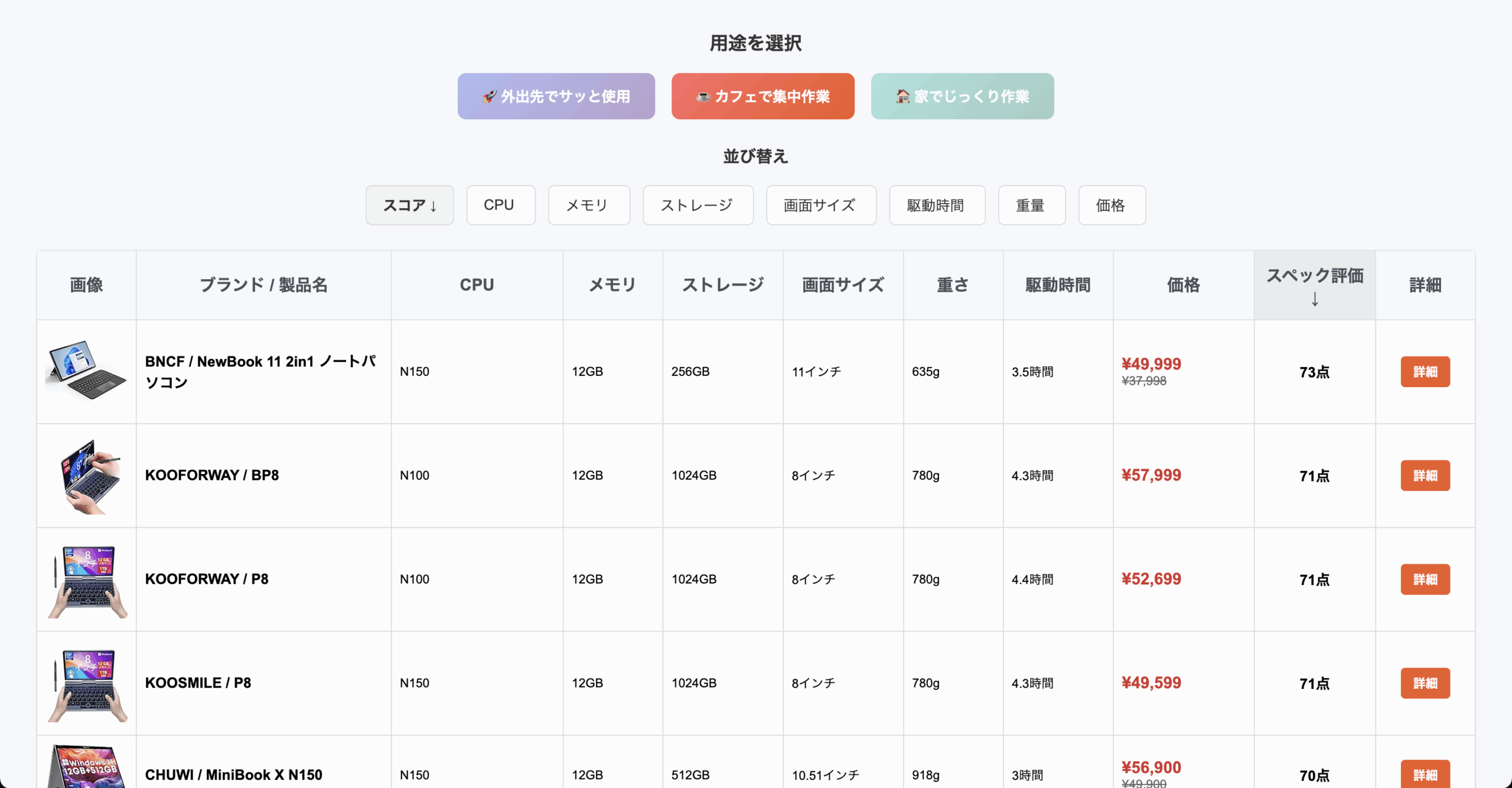
AmazonCompare compact Windows tablets, mini PCs, and laptops by specs and score.
Run by the same operator.
Related Articles
-


- Recommended Laptop Specs for College: Memory, Storage, Windows or Mac
- Is the MacBook Pro Good for OBS Streaming? M5 Pro/Max, Memory, and Ports
- Mac mini or MacBook Air: Which Should You Buy for Desk or Portable Use?
- Is the iPad Pro Good for Study Notes? 13-inch, Storage, and iPad Air Tradeoffs
- Do College Students Need a MacBook Pro? Majors, Memory, and MacBook Air
- Is the M5 iPad Pro Good for Drawing and Comics? Pencil, Size, and Storage Guide
- MacBook Pro or Mac mini: which Mac is better for creative work and development?
- Is the iMac Good for Photo and Video Editing? M4, Memory, and SSD Choices
- Is the iPad Air Good for Digital Art? iPad Pro Differences, Size, and Storage
