Can you edit video on MacBook Air? M5, memory, and Pro limits
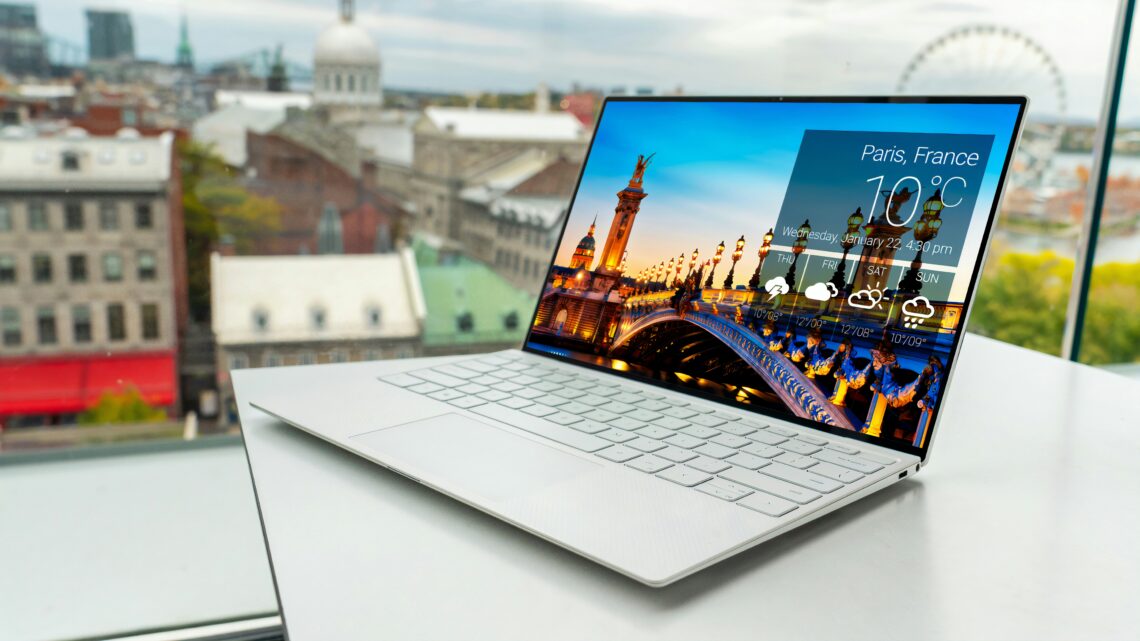
MacBook Pro or Mac mini: which Mac is better for creative work and development?

About the Author
Sesera editorial account organizes laptop, mini PC, smartphone, and gadget buying guides so readers can check the important points before buying.
If your heavy work follows you outside the desk, MacBook Pro is the easier Mac to live with. It gives you the screen, keyboard, trackpad, battery, camera, speakers, ports, and performance in one machine.
If your work happens at one desk, Mac mini is often the better buy. The computer costs less than a comparable laptop, and the saved money can go toward a larger monitor, better storage, a keyboard you like, or a quieter desk setup.
The useful question is simple: do you need the computer to move, or do you need the workstation around it to be better?
Start with where the work happens
MacBook Pro and Mac mini can both handle serious creative and development work. The difference is not only the chip name. It is the place where you edit, code, record, review, and deliver the work.
A laptop solves the whole work surface at once. A desktop Mac asks you to build the work surface yourself. That can be a strength if you already have a monitor and desk gear, and a hidden cost if you do not.
| Work pattern | Better fit | Why |
|---|---|---|
| Editing or coding away from your desk | MacBook Pro | The screen, battery, keyboard, and ports travel with you. |
| A fixed desk with a monitor you like | Mac mini | You pay for the computer and keep using your desk setup. |
| Client reviews, meetings, travel, school, or coworking | MacBook Pro | You do not need to rebuild the setup every time. |
| Two or three monitor desk work | Mac mini | The desk can be built around large displays and wired gear. |
| Recording in different rooms or locations | MacBook Pro | The Mac can follow the microphone, camera, or instrument. |
| Home studio, office desk, or always-on workstation | Mac mini | It can stay connected to interfaces, drives, displays, and Ethernet. |
If this table already points clearly to one side, trust that. The wrong Mac is often the one that makes your normal working place harder, even if the spec sheet looks attractive.
MacBook Pro fits work that moves
MacBook Pro is the safer pick when you edit video on trips, code in meetings, present work to clients, record outside your room, or move between home and office. You are buying a portable workstation, not only a processor.
Apple’s current MacBook Pro specs include M5, M5 Pro, and M5 Max options, unified memory configurations that can reach 128GB on the higher M5 Max path, and internal SSD options up to 8TB depending on the model. It also includes a Liquid Retina XDR display, battery power, built-in input devices, camera, speakers, HDMI, SDXC, MagSafe, and Thunderbolt ports.
That matters because a mobile workflow has many small failure points. If you need to review footage at a cafe, test code in a meeting room, or bring a Logic Pro session to another place, the MacBook Pro is already a complete machine.
Reference: Apple MacBook Pro technical specifications.
Mac mini fits a fixed workstation
Mac mini makes the most sense when the desk is part of the purchase. If you already own a good monitor, keyboard, mouse, webcam, audio interface, speakers, external SSD, or wired network setup, you do not need to buy those pieces again inside a laptop.
The current Mac mini uses M4 or M4 Pro. Apple lists the M4 model with 16GB unified memory configurable to 24GB, and the M4 Pro model with 24GB unified memory configurable to 48GB. The M4 Pro version also brings Thunderbolt 5, stronger display support, and SSD options up to 8TB.
The desk advantage is comfort. A 27-inch or ultrawide monitor, a full-size keyboard, a better microphone, and a large external SSD can make daily work feel less cramped than a laptop screen alone.
Reference: Apple Mac mini technical specifications.
Video editing depends on review location
If you edit footage and review the result away from your desk, MacBook Pro is the cleaner answer. You can open the project, check color, show a cut, and export without asking where the monitor, keyboard, or power outlet is.
If you edit at the same desk every day, Mac mini can be the better setup. A large monitor, external SSD, card reader, speakers, and a quiet desk can matter more than the portability you rarely use.
For serious 4K video, do not stop at the Mac name. Check memory, SSD capacity, media engine support, external storage, and the software you use. A cheaper Mac mini with too little memory can feel tight, and a MacBook Pro with too small an SSD can become annoying once project files grow.
Related: How much memory for MacBook Pro and How much SSD storage for MacBook Pro.
Development depends on mobility
For software development, both Macs can be good. Web development, app development, Docker work, local databases, IDEs, and terminals care about memory, storage, screen space, and how often you move more than the desktop or laptop label.
MacBook Pro is easier if you work in meetings, travel, study outside, or pair program away from your main desk. It also helps when you need to reproduce an issue in front of someone without remote access or a second machine.
Mac mini is strong for a stable desk: larger monitors, Ethernet, external drives, a keyboard you actually like, and a machine that can stay connected. If your development day starts and ends at the same desk, that can be the calmer setup.
If your work depends on Windows-only tools, Linux-first workflows, NVIDIA CUDA, or a company-managed PC image, check that before buying any Mac. A Mac can be excellent for many developers, but it is not the right answer for every toolchain.
Music production depends on the recording setup
For music production, the computer is only one part of the system. Audio interface, microphones, MIDI keyboard, headphones, monitors, storage, and room noise can matter as much as the Mac itself.
MacBook Pro is better when you record in different rooms, bring sessions to studios, work with other people, or use the same machine for stage, travel, and editing. The built-in screen and battery remove a lot of setup friction.
Mac mini is better when your studio stays wired. It can sit behind the monitor with the audio interface, external drives, MIDI gear, speakers, and Ethernet already connected. You turn on the desk and work.
If you are building a home studio from nothing, include those accessories in the budget. A cheap Mac mini can stop being cheap once you add a monitor, keyboard, mouse, webcam, speakers, and backup drive.
3D and local AI need a software check
MacBook Pro and Mac mini can both run creative apps, development tools, and many local AI workflows. The warning is compatibility. Some 3D renderers, ML libraries, plugins, or company workflows still expect NVIDIA GPUs, CUDA, Windows, or a specific driver stack.
If your work names CUDA, RTX, or a Windows-only plugin as a requirement, compare a Windows workstation before buying a Mac. If your tools are macOS-native or run well on Apple silicon, then the Mac choice comes back to mobility, memory, storage, and desk setup.
For a quick PC-side sanity check, use Specsy’s PC check before you lock yourself into one platform.
Total cost depends on accessories
The sticker price can be misleading. MacBook Pro costs more because it includes the portable parts. Mac mini looks cheaper because those parts are outside the box.
That is not a problem if you already own the accessories. It is a problem if you need to buy them all at once.
| Cost item | MacBook Pro | Mac mini |
|---|---|---|
| Display | Built in | Must use an external monitor |
| Keyboard and pointing device | Built in | Must add keyboard and mouse or trackpad |
| Battery | Built in | Desk power only |
| Camera and speakers | Built in | May need external gear for calls |
| Desk comfort | Often needs a stand or monitor | Can be built around a full desk setup |
| Long-term upgrades | Memory and SSD fixed after purchase | Memory and SSD fixed after purchase, but desk accessories can be changed |
So the cheaper choice is not universal. Mac mini is better value when you have the desk. MacBook Pro is better value when you would otherwise need to buy a portable setup and a desktop setup.
Displays and ports favor the desk
A good external monitor can change how the Mac feels. Spreadsheets, timelines, code, browser previews, audio tracks, and reference material all benefit from more screen room.
Mac mini is easy to build around displays because it has no built-in screen to work around. Apple lists support for up to three displays on current Mac mini models, with M4 using Thunderbolt 4 and M4 Pro using Thunderbolt 5.
MacBook Pro gives you a high-quality built-in display and still supports external displays, with the number depending on the chip. That is better if you want one machine for the couch, desk, office, travel, and external-monitor work.
Related: Best external monitor for a laptop: 24 vs 27 inch, USB-C, HDMI, and 4K.
iMac and MacBook Air are separate cases
If you want a clean home desk and do not need heavy creative performance, iMac can be a simpler answer than Mac mini. It gives you the computer and display in one tidy setup.
If you mostly write, browse, make slides, use online tools, and carry the computer often, MacBook Air can be enough. It is not the same kind of workstation as MacBook Pro, but it can be the better daily laptop for light work.
The reason to stay with MacBook Pro or Mac mini is sustained heavier work: video, development, music production, large creative files, multiple displays, and bigger memory or storage needs.
Related: iMac vs MacBook Air for home, college, and work and Best laptop brands by use.
My default recommendation
Buy MacBook Pro if you edit, code, record, review, present, or troubleshoot away from one fixed desk. It costs more, but it solves the whole mobile workstation in one purchase.
Buy Mac mini if your work lives at a desk and you want the money to go into the workstation around the Mac. A good monitor, proper input devices, external storage, wired network, and audio gear can make a bigger daily difference than laptop portability.
If you are unsure, price the full setup. For Mac mini, add the monitor, keyboard, mouse or trackpad, webcam, speakers or headphones, external SSD, hub if needed, and backup storage. For MacBook Pro, add any desk accessories you would still buy.
Useful shopping starting points: MacBook Pro on Amazon and Mac mini on Amazon.
Frequently asked questions before buying Mac
Should I buy MacBook Pro or Mac mini?
Buy MacBook Pro if the work moves with you. Buy Mac mini if the work stays at one desk and you already have, or want to build, a full monitor and accessory setup.
Is Mac mini enough for video editing?
Mac mini can be enough for video editing, especially at a fixed desk with a good monitor and external storage. For heavier 4K work, check memory, SSD capacity, codec support, and the exact app you use before buying.
Is MacBook Pro better for developers?
MacBook Pro is better for developers who move around, work in meetings, travel, or need one computer for every place. Mac mini is better for developers who want a stable desk with large monitors, Ethernet, and external drives.
Is Mac mini cheaper overall?
Mac mini is cheaper overall when you already own the desk gear. If you need to buy a monitor, keyboard, mouse, webcam, speakers, and storage at the same time, the total can get much closer to a MacBook Pro.
Should I choose Windows instead?
Choose Windows first if your work requires NVIDIA CUDA, RTX-specific software, Windows-only plugins, or company tools that do not run well on macOS. If your apps are macOS-friendly, then compare MacBook Pro and Mac mini by mobility and desk setup.
Compare specs on Specsy
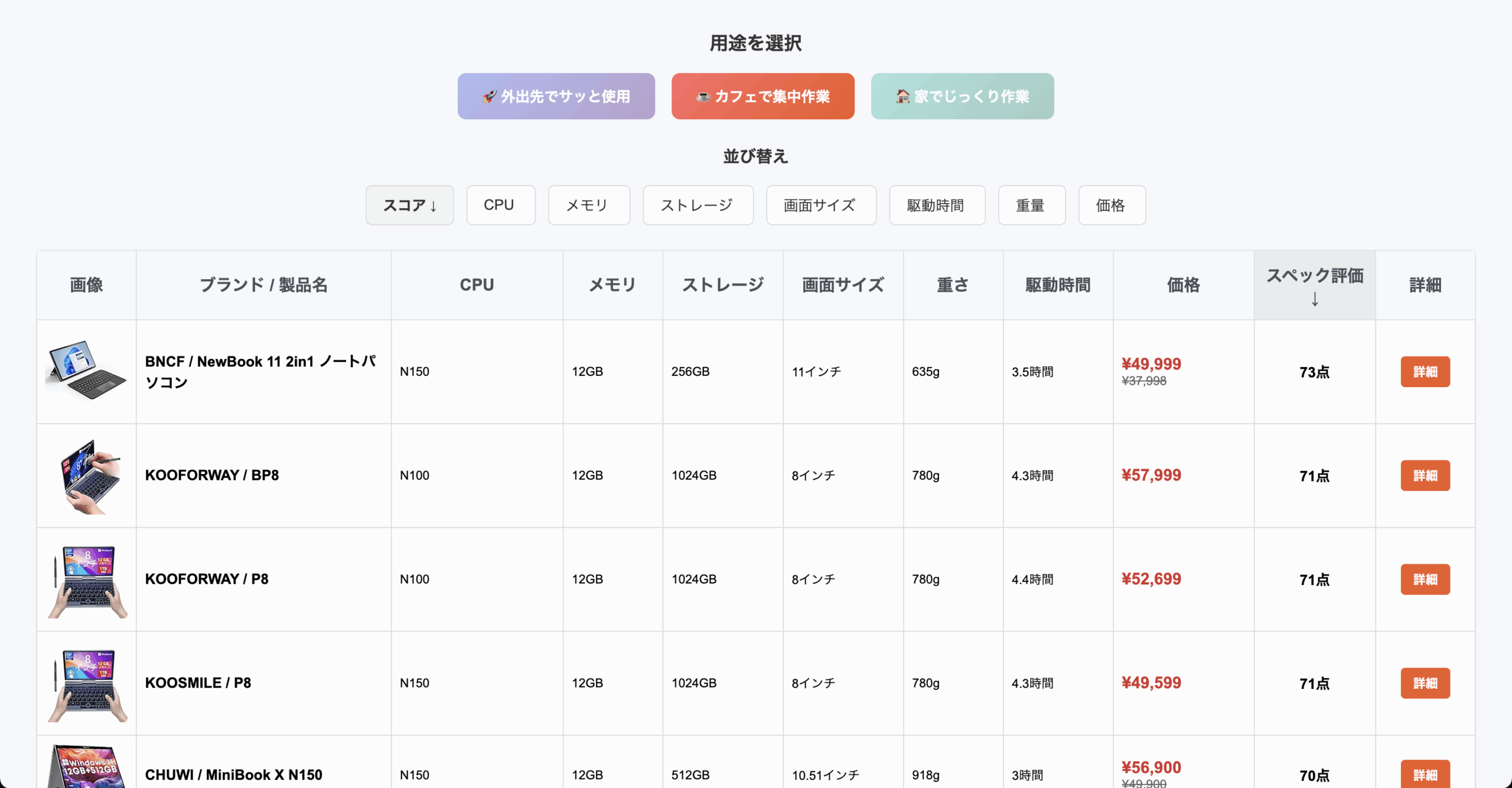
AmazonCompare compact Windows tablets, mini PCs, and laptops by specs and score.
Run by the same operator.
Related Articles
-


- How to Manage Passwords for Older Parents: Accounts, 2FA, Recovery
- Is MacBook Air good for programming? M5, memory, and Docker limits
- Is the iPad Air Good for Study Notes? 11-inch vs 13-inch, Storage, and Apple Pencil
- Can the iPad A16 Stream with OBS? Screen Recording, Storage, and iPad Air Tradeoffs
- Is the Mac mini Good for Work? Remote Work, Office, and Air Tradeoffs
- Are Cheap Laptops on Amazon Worth It? Specs to Avoid Before Buying
- Can the iPad Pro Stream with OBS? M5, Screen Recording, and Mac Limits
- Best Laptop Brands by Use: Work, College, Home, and Creative Tasks
- How Much Memory and SSD Storage for iMac: 16GB, 24GB, or 32GB?
