Are Cheap Laptops on Amazon Worth It? Specs to Avoid Before Buying
Is the iMac Good for Photo and Video Editing? M4, Memory, and SSD Choices

About the Author
Sesera editorial account organizes laptop, mini PC, smartphone, and gadget buying guides so readers can check the important points before buying.
“Is the iMac enough for photo editing and video editing, or should I buy a Mac mini or MacBook Pro instead?”
“If I choose the iMac, how much memory and SSD storage should I pay for before checkout?”
Those are the right questions to ask before buying the beautiful all-in-one Mac. The iMac looks simple, but creative work can make the wrong configuration feel tight quickly. Memory cannot be upgraded later, video files fill storage, and the two-port model can become annoying once you add drives and card readers.
Here is the practical answer: buy the iMac if your work is mostly photo editing, RAW development, thumbnails, design assets, short social videos, school or work videos, and light YouTube editing at a fixed desk. For regular creative work, start with 24GB memory, 1TB SSD, and the 4-port model. Choose 16GB and 512GB only when editing is occasional and short.
Do not buy the iMac as your main machine for long weekly videos, multicam editing, heavy effects, 3D work, NVIDIA-dependent software, or editing away from home. For those jobs, Mac mini, MacBook Pro, or a Windows creator PC is the cleaner starting point.
Start with the kind of creative work
The iMac is strongest when the work benefits from a sharp built-in display and a clean desk. Photo editing, Lightroom catalogs, Photoshop adjustments, thumbnails, illustration-adjacent design work, and short video edits all fit the iMac well.
The mistake is buying it only because the screen looks good. If the workflow also needs several external drives, a capture device, a large color reference monitor, or long export sessions, the iMac stops being the obvious answer.
| Creative work | iMac fit | Buying call |
|---|---|---|
| Photo editing | Strong | iMac is a good fit |
| RAW development | Good with enough memory | Choose 24GB or 32GB |
| Thumbnails and graphics | Strong | The built-in display helps |
| Short social videos | Good | Use 24GB and 1TB if regular |
| YouTube editing | Good for short projects | Watch timeline length and effects |
| Long video projects | Mixed | Compare Mac mini or MacBook Pro first |
| 3D and heavy GPU work | Limited | Do not make iMac the main machine |
If the computer will stay on a desk and most projects are visual but not production-heavy, the iMac is a comfortable choice. If the computer has to become a flexible workstation, start the comparison with Mac mini instead.
M4 is enough for light and midrange creation
For photo editing and light to moderate video work, the M4 chip is not the first part I would worry about. Apple lists the iMac with M4, up to a 10-core CPU, up to a 10-core GPU, 120GB/s memory bandwidth, and media engines for H.264, HEVC, ProRes, ProRes RAW, and AV1 decode.
That is enough for Lightroom, Photoshop, Affinity apps, Canva-like design work, short 4K edits, screen recordings, social clips, and everyday creator work. A clean media engine matters when the footage format fits the hardware path.
Still, the chip does not remove the limits of the iMac as a product. Memory, SSD space, ports, screen size, and whether the machine stays in one place decide the purchase more than the M4 name alone.
Sources:
Apple iMac technical specifications
Apple iMac overview
The 24-inch 4.5K display is the main reason to buy it
The iMac makes the most sense when you actually want its screen. Apple lists the display as a 24-inch 4.5K Retina display with 4480 by 2520 resolution, 218 pixels per inch, 500 nits brightness, P3 wide color, and True Tone.
For photo editing, thumbnails, light design work, and web visuals, that built-in display is the iMac’s best argument. You get a sharp workspace without having to choose a monitor, speakers, camera, keyboard, and mouse one by one.
The limit is also clear: it is a 24-inch all-in-one. If you want a 27-inch or 32-inch screen, a vertical second monitor, a specialized color display, or a monitor you can replace later, Mac mini is the better path.
Related: iMac or Mac mini: Which Should You Buy for a Clean Desk or Custom Setup?
Choose 24GB memory for regular creative work
For a creative iMac, decide memory early. Unified memory is not something you can add later, and creative apps often run beside browsers, cloud sync, reference files, chat apps, and storage tools.
Choose 16GB only when photo editing is light, video projects are short, and you are buying the iMac mainly as a home or office Mac. It can work, but I would not make it the default for a creative purchase.
Choose 24GB when photo editing, RAW development, Photoshop, and short video editing are real reasons you are buying the machine. Choose 32GB when you want the iMac to last several years as your main creative desk Mac, or when you keep many apps open while editing.
| Memory | Best fit | My judgment |
|---|---|---|
| 16GB | Light photos, thumbnails, occasional short videos | Acceptable only for a light setup |
| 24GB | RAW work, Photoshop, regular short videos | The practical starting point |
| 32GB | Main creative Mac for several years | The safer choice if budget allows |
Related: How Much Memory and SSD Storage for iMac: 16GB, 24GB, or 32GB?
Treat 512GB SSD as the minimum
Creative work fills storage faster than normal home use. RAW files, video clips, exports, render files, cache, downloads, fonts, stock assets, and backups all grow at once.
For a creative iMac, 512GB is the floor, not the comfortable target. It is fine for light photo work and occasional short videos if you use external storage from the beginning. For regular photo and video work, I would start at 1TB.
Choose 2TB only when you know you want more local projects on the iMac. If the price jump starts pushing you toward a better Mac mini setup or a MacBook Pro, compare the full machine again before paying only for internal storage.
| SSD | Best fit | Buying call |
|---|---|---|
| 512GB | Light photo editing and occasional short videos | Use an external SSD from day one |
| 1TB | Regular creative work | The best starting point |
| 2TB | Large local project storage | Buy only with a clear storage reason |
Choose the 4-port model if accessories stay connected
For creative work, I would favor the 4-port iMac if the budget allows. Apple separates the two-port and four-port models, and that matters more once you add real desk accessories.
A camera card reader, external SSD, backup drive, audio interface, drawing tablet, hub, external display, and charger-adjacent desk gear can make two ports feel cramped. You can solve some of it with a dock, but buying the tighter model and immediately needing a dock is not always the clean purchase.
The 4-port model also gives more display flexibility. Apple lists the two-port model with support for one external display up to 6K at 60Hz, while the four-port model supports up to two external displays up to 6K at 60Hz or one external display up to 8K at 60Hz.
Photo editing is the iMac’s strongest fit
If the main job is photo editing, the iMac is easy to recommend. You get a sharp display, enough performance for common photo apps, a clean desk, and a machine that feels ready for Lightroom, Photoshop, family photo libraries, product photos, thumbnails, and web images.
For casual photo editing, 16GB memory and 512GB SSD can work. For RAW catalogs, Photoshop layers, batch exports, and several years of use, I would buy 24GB memory first, then choose 1TB SSD if the budget allows.
If your photo work involves huge catalogs, frequent AI masking, heavy batch processing, or several external drives, the iMac can still work, but the purchase should be deliberate. At that point, Mac mini with a chosen monitor may fit the desk better.
Related: Is the iMac Good for Illustrator and Photoshop?
Video editing works until the timeline gets heavy
For short videos, social clips, screen recordings, simple YouTube edits, and light 4K projects, the iMac is a sensible editing machine. The display is pleasant, the M4 media engine helps, and a fixed desk makes external storage easier to manage than on a portable laptop.
The iMac becomes less attractive when the timeline turns into work. Long weekly videos, multicam edits, heavy effects, color grading, large external storage chains, and time-sensitive exports all push you toward Mac mini, MacBook Pro, or a Windows creator desktop.
If video editing is the main reason you are buying the Mac, start with 24GB memory, 1TB SSD, and the 4-port model. If that price feels too high, do not force the iMac. Compare a Mac mini setup before buying.
Related: Is the iMac Good for Video Editing?
Choose Mac mini when the desk needs flexibility
Choose the iMac when you want the whole desk solved in one purchase. That is the appeal: display, computer, speakers, camera, keyboard, and mouse come together.
Choose Mac mini when the desk itself matters more. A larger monitor, different keyboard, more storage, more ports, easier monitor replacement, and M4 Pro options all make Mac mini stronger for a custom creative setup.
If you already own a good monitor or know you want 27 inches or larger, I would not buy the iMac just to get an all-in-one. Put the money into the Mac mini configuration and the screen you actually want.
Related: Mac mini M4 or M4 Pro: Which Chip Should You Choose?
Choose MacBook when editing must travel
The iMac is not portable. If you edit at school, on location, in cafes, while traveling, or between home and work, the iMac should not be your only editing machine.
Choose MacBook Air when the videos are short and portability is the main value. Choose MacBook Pro when editing is paid work, timelines are long, or the laptop needs stronger cooling, more ports, and higher performance headroom.
The iMac is the better fit when you want a fixed creative desk and do not want to build a setup piece by piece. If movement is part of the workflow, buy the portable Mac first.
Related: Can You Edit Video on a MacBook Air?
Use this configuration baseline
If I were buying an iMac for photo editing and regular short video work, I would start with 24GB memory, 1TB SSD, and the 4-port model. That configuration fits the iMac’s role as a clean creative desk Mac without pretending it is a workstation.
If the budget is tight and creative work is light, 16GB memory and 512GB SSD can work. I would only buy that setup with a clear external SSD plan and short project expectations.
If you are already choosing 32GB memory, 2TB SSD, and several accessories, stop and compare Mac mini and MacBook Pro. The highest iMac configuration is not automatically the best creative purchase.
| Buyer | Configuration to start with | Why |
|---|---|---|
| Light home creator | 16GB memory, 512GB SSD | Good only for short and occasional work |
| Regular photo and short video editor | 24GB memory, 1TB SSD, 4-port model | The best iMac balance |
| Main desk creative Mac | 32GB memory, 1TB or 2TB SSD, 4-port model | More room for years of projects |
| Heavy video or 3D creator | Compare Mac mini, MacBook Pro, or Windows | iMac is not the cleanest starting point |
Frequently Asked Questions
Is the iMac good for photo editing?
Yes. The iMac is a strong fit for photo editing, RAW development, thumbnails, and Photoshop-style work because it combines a sharp 24-inch 4.5K display with enough M4 performance for common creative apps. For regular photo work, choose 24GB memory if possible.
Can the iMac edit video?
Yes, the iMac can edit short YouTube videos, social clips, screen recordings, work videos, and light 4K projects. It is not the best main machine for long timelines, multicam editing, heavy effects, or time-sensitive production work.
How much memory should I choose for a creative iMac?
Choose 16GB only for light photo work and occasional short videos. Choose 24GB as the practical starting point for regular photo editing, RAW work, Photoshop, and short video editing. Choose 32GB if the iMac will be your main creative Mac for several years.
Is 512GB SSD enough for iMac photo and video work?
512GB is enough only for light creative work with an external SSD and regular cleanup. For regular photo and video editing, 1TB is the better starting point because projects, exports, cache, and media files grow quickly.
Should I buy iMac or Mac mini for creative work?
Buy the iMac when you want a clean all-in-one desk with a sharp built-in display. Buy the Mac mini when you want a larger monitor, more flexible storage, more desk customization, or an M4 Pro option for heavier creative work.
Should I buy iMac or MacBook Pro for video editing?
Buy the iMac when editing happens at a fixed desk and projects are short to moderate. Buy the MacBook Pro when editing must travel, projects are long, exports are frequent, or the work needs stronger sustained performance.
Bottom line
The iMac is a good creative Mac when the job is photo editing, RAW work, thumbnails, design assets, short videos, and a clean fixed desk. It is the Mac to buy when the built-in 24-inch 4.5K display is part of the value.
For regular creative work, I would start with 24GB memory, 1TB SSD, and the 4-port model. For light use, 16GB and 512GB can work only if you keep projects short and use external storage.
If the work is long video, heavy effects, 3D, or editing on the move, do not force the iMac. Buy Mac mini for a flexible desk, or MacBook Pro when the editing machine has to travel and stay fast under pressure.
Compare specs on Specsy
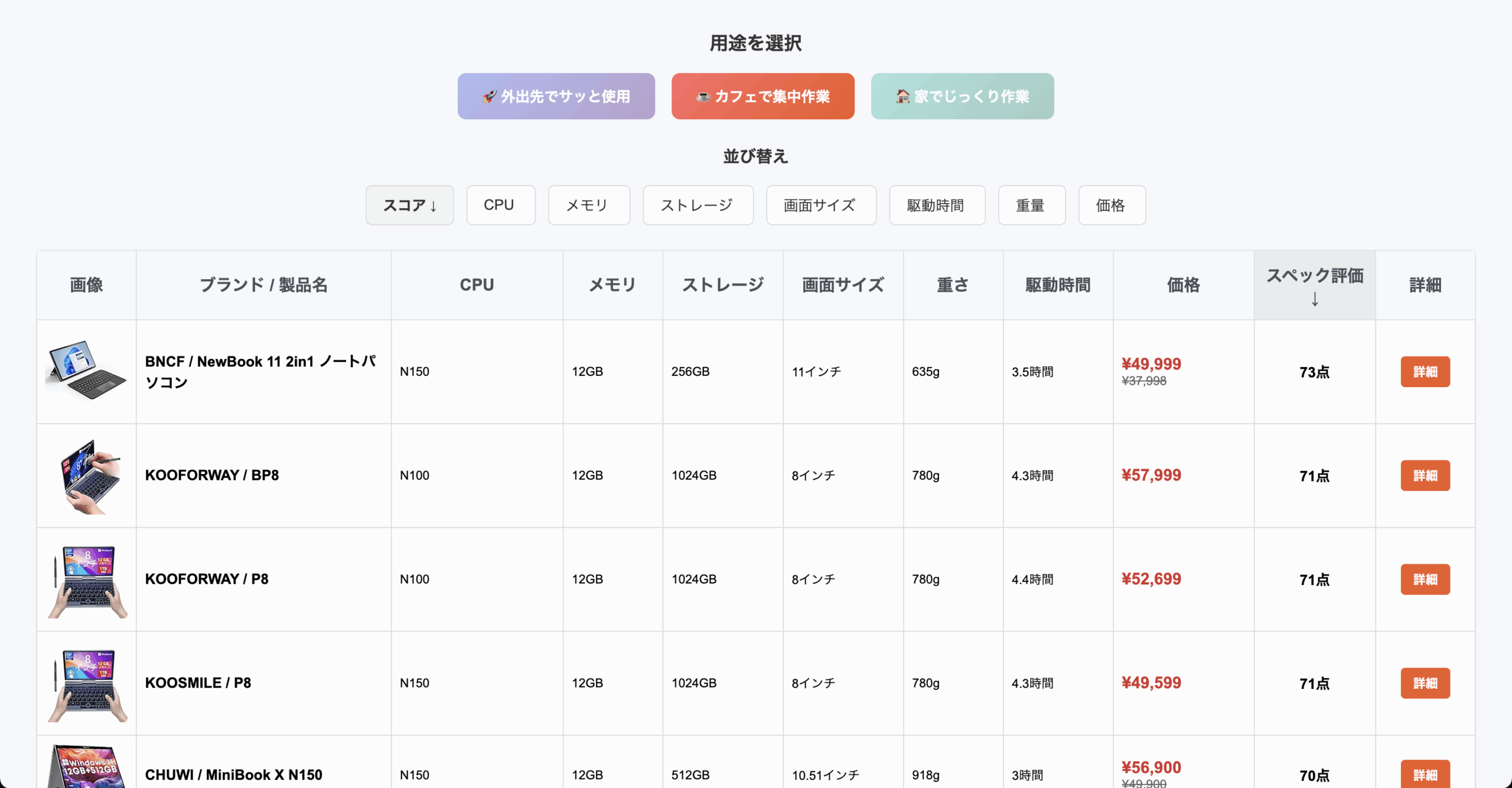
AmazonCompare compact Windows tablets, mini PCs, and laptops by specs and score.
Run by the same operator.
Related Articles
-


- Do You Need a MacBook Pro for Work? Office, Remote Work, and Air Tradeoffs
- Do College Students Need a MacBook Pro? Majors, Memory, and MacBook Air
- Is the iMac Good for Blender? M4, Memory, and 3D Work Limits
- Can You Draw on the iPad A16? Apple Pencil, Storage, and iPad Air Differences
- Is the M5 iPad Pro Good for Drawing and Comics? Pencil, Size, and Storage Guide
- How much SSD storage for MacBook Air: 512GB, 1TB, 2TB, or 4TB?
- What to Ask Before Buying a Laptop in a Store
- Best Computer for Photo Storage: SSD Size, Backup, and Family Photos
- Can you edit video on iPad Air? M4, storage, and iPad Pro tradeoffs
