Is iMac Good for College? Home Study, Campus Use, and MacBook Air

How to Protect Parents from PC Support Scams and Fake Warnings

About the Author
Sesera editorial account organizes laptop, mini PC, smartphone, and gadget buying guides so readers can check the important points before buying.
“My parent’s computer says it is infected and is playing a loud warning sound.”
“They are asking whether they should call the phone number shown on the screen.”
That is exactly the moment when support scams work. The screen looks urgent, the sound creates panic, the page may look like Microsoft or an antivirus company, and the next step often leads to a phone call, remote access software, gift cards, or banking instructions.
The practical answer is simple: make “do not call the number on the screen” the family rule. A fake warning is usually trying to move the person from the browser into a conversation with the scammer. Once the call starts, the risk jumps from a scary screen to remote control, payment, password theft, or bank fraud.
This guide explains how to protect an older parent’s PC from fake security warnings, tech support scams, remote access tricks, payment pressure, old PC risks, and what to do if the scammer was already contacted.
Do not call the number on screen
The first family rule should be short enough to remember under stress: do not call the phone number shown in a warning screen. It does not matter if the page has a loud alarm, a countdown, a Microsoft-style design, or a message saying the computer is locked.
Japan’s IPA explains that if a fake security warning is only displayed, the computer is often not infected and closing the fake warning may be enough. It also warns that calling the displayed support number can lead to harm: IPA fake security warning guidance.
Microsoft also says that its real error and warning messages do not include phone numbers, and that Microsoft does not send unsolicited messages asking users to call for support: Microsoft support scam guidance.
For a parent, this rule matters more than a detailed explanation. If a warning screen shows a phone number, treat it as a scam until proven otherwise.
Recognize the scam pattern early
A support scam is not just a strange pop-up. It is a sequence. The warning creates fear, the phone call creates trust or pressure, remote control gives the scammer access, and payment or banking instructions create the loss.
| What appears | Why it is dangerous | Family rule |
|---|---|---|
| Phone number | Starts contact with the scammer | Never call it |
| Loud warning sound | Creates panic | Lower volume and call family |
| Remote access request | Lets someone control the PC | Do not install or approve |
| Gift card or prepaid card | Money is hard to recover | Do not buy or share codes |
| Banking or card screen | Can lead to financial theft | Disconnect and contact the bank |
| Security scan animation | Looks technical but may be fake | Do not follow on-screen steps |
Japan’s National Police Agency also explains support scam countermeasures and points users toward consultation when fake security warnings, remote access tools, or payment pressure are involved: National Police Agency support scam guidance.
Give parents one emergency script
When a parent is scared, a long checklist is too much. Give them one short script and keep it near the computer.
| If a warning appears | What to do |
|---|---|
| Phone number appears | Do not call |
| Warning sound plays | Turn down the volume |
| Screen says not to close | Do not obey it |
| Someone asks to install software | Do not install it |
| Payment is mentioned | Stop immediately |
| You are unsure | Take a photo and call family |
The goal is not to teach every scam technique. The goal is to break the scammer’s flow before the parent calls, installs, pays, or logs in to a bank.
Close the warning without arguing
If a fake warning appears, do not try to solve the problem by clicking buttons inside the warning. The buttons may be part of the trick. Close the browser tab or window if possible. If it is full-screen, use the keyboard, task switcher, or restart the computer.
IPA provides a fake warning closing practice page and explains that the warning may appear full-screen after a click. Its guidance includes using the Esc key to escape full-screen behavior in the practice flow. For a parent, the simpler instruction is: do not click inside the warning; call family and close or restart safely.
| Situation | Safer action |
|---|---|
| Normal browser tab | Close the tab |
| Full-screen warning | Try Esc, then close browser |
| Mouse does not help | Use keyboard or restart |
| Parent is panicking | Take a photo and call family |
| Warning returns repeatedly | Check browser notifications and extensions |
Do not debate with the page. Scammers design the screen to make closing feel dangerous. Closing the page is usually exactly what they do not want the user to do.
Disconnect if remote access was allowed
If remote access software was installed or approved, treat it as a real incident. The issue is no longer just a fake browser warning. Someone may have seen the screen, moved the mouse, opened files, viewed saved passwords, or guided the parent toward payment.
| What happened | Do first | Then do |
|---|---|---|
| Phone call only | Hang up | Do not answer callbacks |
| Remote access installed | Disconnect from the internet | Remove the tool and scan |
| Gift card bought | Do not share the code | Contact seller if code was shared |
| Bank site opened | Contact bank or card issuer | Change passwords from another device |
| Password typed | Change it from a clean device | Check 2FA and recovery details |
| Money was sent | Contact bank and police quickly | Keep screenshots and receipts |
Do not leave the parent to clean this up alone. If banking, credit cards, passwords, gift cards, or identity documents were involved, family should help collect evidence and contact the appropriate bank, card issuer, police, or consumer protection service in the relevant country.
Put the family rule beside the PC
A paper rule next to the computer can be more useful than a long security lecture. Scams work because the person is pressured in the moment. A visible rule gives the parent permission to stop.
| Rule | Write it like this |
|---|---|
| Phone | Never call a number shown in a warning |
| Remote access | Do not let strangers control this PC |
| Payment | Gift cards and prepaid cards mean stop |
| Banking | Close the page before opening bank sites |
| Family contact | Call this person first |
| Old PC | Do not use unsupported PCs for banking |
Keep the message direct. “Ask family before paying” is weaker than “Do not pay if a warning screen told you to.” The second sentence gives a clear stop signal.
Use security software as a backup
Security software helps, but it is not the main answer to support scams. These scams often win by making the user call, install, and pay voluntarily. A security tool may block risky pages, but it cannot fully protect a parent who follows the scammer’s instructions over the phone.
For a normal Windows 11 PC, start with current Windows updates, browser updates, screen lock, and Windows Security. Microsoft explains that the Windows Security app includes protections such as Microsoft Defender Antivirus, firewall and network protection, and other security features: Windows Security app guidance.
A paid security suite may fit families who want to manage several devices, add web filtering, or include phones. But do not let software become false confidence. The core rule still stands: no phone calls, no remote control, no payment from a warning screen.
Remove unsupported PCs from sensitive use
An old computer is not automatically infected, but it becomes a poor place for banking, shopping, email, tax documents, and saved passwords when it cannot receive OS or browser updates. Support scam risk also becomes harder to manage if the browser is outdated, pop-ups are constant, and the parent is used to ignoring warnings.
If the PC cannot be updated, keep it away from sensitive accounts. Use it offline for old files if needed, but move email, banking, shopping, and family documents to a maintained device.
The English guide to managing passwords for older parents explains why account recovery, 2FA, and trusted devices should be handled before a PC or phone is replaced.
Choose replacement PCs for supportability
If the parent’s PC needs replacement, do not start with gaming performance or the cheapest listing. Start with supportability: current Windows support, a clear warranty, a readable screen, a comfortable keyboard, easy updates, and a model the family can explain over the phone.
| For parent use | Better priority |
|---|---|
| Performance | Enough for browser, video calls, documents |
| Screen | Readable 14- or 15-inch display |
| Warranty | Clear maker or retailer support |
| Setup | Family can manage account recovery |
| Security | Updates, screen lock, clean browser |
| Price | Avoid unknown ultra-cheap machines |
If you need to narrow down a replacement, use Specsy’s PC buying check after deciding the parent’s screen size, budget, and support needs.
Be careful with cheap online listings
For a parent’s main PC, avoid unknown sellers, strange brand names, outdated Windows versions, extremely low storage, unclear warranty terms, and listings that hide the real model number. A cheap PC can become expensive if the family has to troubleshoot it every month.
Online reviews are useful only after the basics are clear: seller, warranty, return policy, model number, OS support, memory, storage, and whether the family can actually help with the machine. The safest parent PC is not the fastest one. It is the one that stays updated and is easy to support.
Check the router and Wi-Fi too
A slow or unstable home connection does not create a support scam by itself, but it makes security maintenance harder. Updates fail, video calls freeze, pages load strangely, and the parent may become more willing to believe a fake warning that says something is wrong.
When you visit the home, check the PC, browser, router, Wi-Fi password, and account recovery together. A clean PC on a neglected network is only half the job.
If the family also uses the PC for Japanese tax filing or sensitive paperwork, the English guide to computers for Japan e-Tax covers why an updated device matters for identity and tax information.
The practical answer for family PCs
The strongest support scam rule is not technical: do not call the number shown on the warning screen. If the warning asks for a phone call, remote control, gift card, prepaid card, bank login, or urgent payment, stop.
For an older parent’s PC, combine a short paper rule, a family contact, current Windows and browser updates, working Windows Security, clean password recovery, and a plan for old devices. If remote access or payment already happened, treat it as an incident and contact the bank, card issuer, police, or consumer protection service quickly.
A calm family rule beats a complicated security lecture. The parent only needs to remember the first move: do not call, do not pay, call family.
Frequently asked questions about support scams
Should my parent call the number in a virus warning?
No. A warning screen that shows a phone number is a common support scam pattern. Close the browser or restart the computer, then contact family or an official support channel separately.
What if remote access software was installed?
Disconnect the PC from the internet, stop or remove the remote access tool, and change important passwords from another device. If banking, cards, or payments were involved, contact the bank, card issuer, police, or consumer protection service quickly.
Can security software completely stop support scams?
No. Security software can reduce risk, but support scams often rely on phone pressure and user action. The family rule still needs to be no phone calls, no remote control, and no payment from a warning screen.
Is an old PC more dangerous for a parent?
It can be. If the OS or browser cannot update, avoid using that PC for email, banking, shopping, tax documents, or saved passwords. Move sensitive work to a maintained device.
What should we write next to the parent’s PC?
Use a short note: do not call warning-screen numbers, do not let strangers control the PC, do not buy gift cards or prepaid cards, and call family first.
Compare specs on Specsy
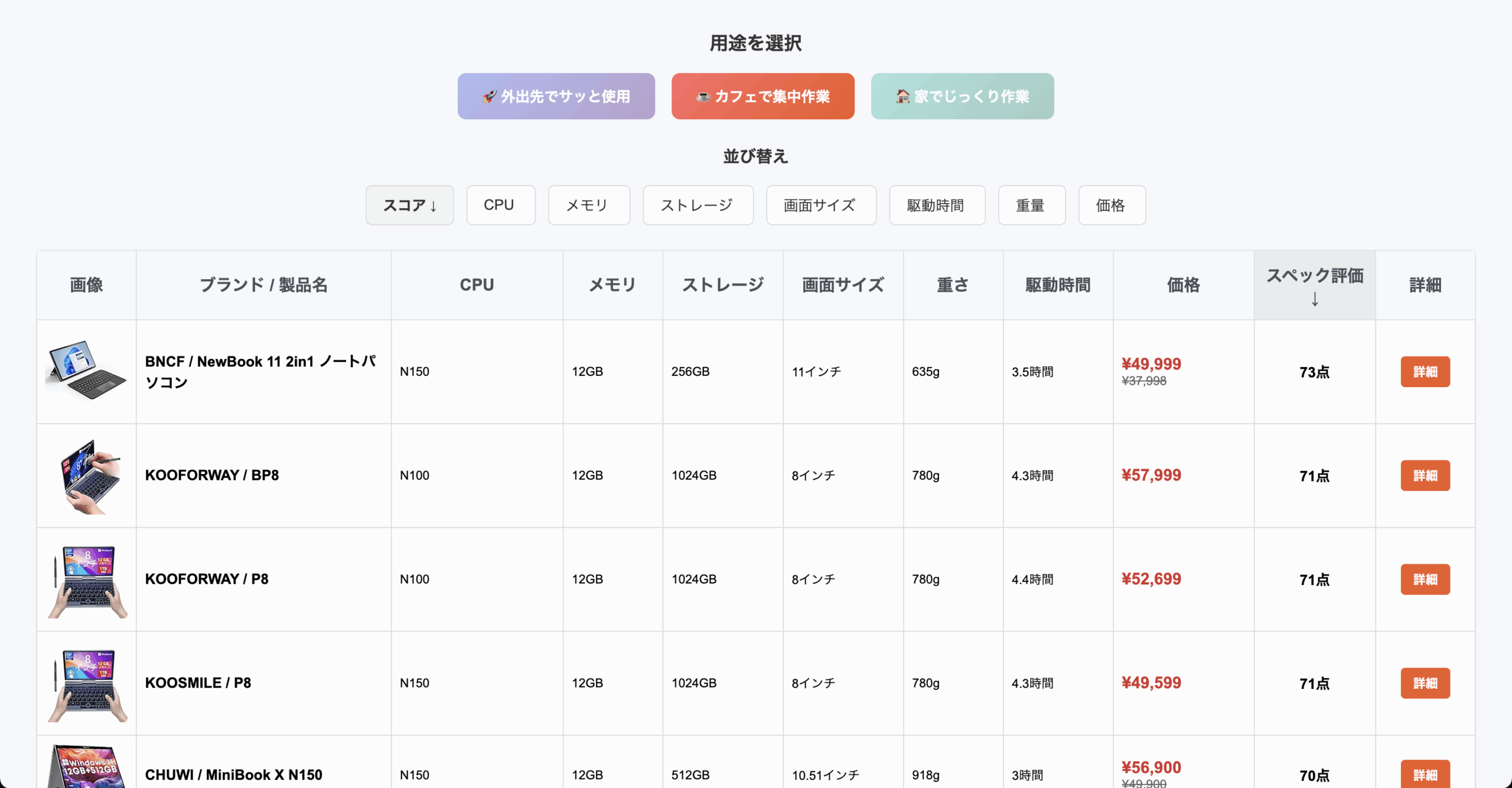
AmazonCompare compact Windows tablets, mini PCs, and laptops by specs and score.
Run by the same operator.
Related Articles
-


- Is the MacBook Pro Good for Blender? M5 Pro/Max, Memory, and GPU Guide
- When to Buy a Computer for a Child: Elementary and Middle School Guide
- Can the iPad A16 Stream with OBS? Screen Recording, Storage, and iPad Air Tradeoffs
- Is the iMac Good for Photo and Video Editing? M4, Memory, and SSD Choices
- Is iPad Pro good for drawing and video editing? M5, storage, and Pencil choices
- iPad or iPad Air: Which Should You Buy for Notes, Study, and Storage?
- Mac mini or MacBook Air: Which Should You Buy for Desk or Portable Use?
- How to Manage Passwords for Older Parents: Accounts, 2FA, Recovery
- Is MacBook Neo good for Office? Word, Excel, PowerPoint, and 8GB RAM
