Is the Mac mini Good for OBS Streaming? M4, M4 Pro, Memory, and Ports

How to Manage Passwords for Older Parents: Accounts, 2FA, Recovery

About the Author
Sesera editorial account organizes laptop, mini PC, smartphone, and gadget buying guides so readers can check the important points before buying.
“My parent has used the same password for years.”
“I do not know how they would get back into Gmail, iCloud, Microsoft, online banking, or shopping accounts if their phone stopped working.”
That is a real family problem. The risky part is not only that nobody knows the passwords. It is also risky when an adult child takes over everything, stores every login in their own phone, and leaves the parent unable to manage their own accounts.
The practical answer is this: keep your parent in control of everyday access, stop password reuse on the accounts that unlock everything, turn on two-factor authentication for critical accounts, and leave a recovery path that the family can find in an emergency. Do not try to make the system perfect. Make it usable, recoverable, and hard to steal.
This guide covers what to write down, when paper is acceptable, how to handle Apple, Google, Microsoft, phones, 2FA, banking accounts, old PCs, and device replacement without locking the family out.
Keep control with your parent first
Password help for an older parent should not start with taking every password away from them. The better setup is shared preparedness: your parent can still sign in day to day, and the family can help recover access if a phone is lost, a PC breaks, or an account gets locked.
Treat this as a family safety folder, not a secret takeover. A child may know where recovery information is kept, but that does not mean the child should casually use the parent’s bank, retirement, email, or shopping accounts.
| Account type | Main owner | Family should know |
|---|---|---|
| Main email | Parent | Recovery email and phone |
| Apple or Google account | Parent | ID, recovery method, trusted device |
| Microsoft account | Parent | ID and recovery options |
| Bank and brokerage | Parent | Institution name and emergency process |
| Shopping accounts | Parent | Registered email and card risk |
| Subscriptions | Parent or family | Where to cancel |
Start with independence, then add recovery. That keeps the parent from being locked out while still giving the family a way to respond when something goes wrong.
Start with the accounts that unlock everything
Do not begin by listing every small website. Start with the accounts that control the rest of the digital life: email, Apple ID or Google account, Microsoft account, phone carrier, bank, credit card, and the device passcode.
Email is usually the most important. If someone controls the main email account, they can reset passwords for many other services. The phone is almost as important because SMS codes, authenticator apps, passkeys, and account recovery prompts often live there.
| Priority | Account or device | Why it matters |
|---|---|---|
| 1 | Main email | Resets many other passwords |
| 2 | Phone lock screen | Protects codes and password apps |
| 3 | Apple or Google | Controls phone backups and passwords |
| 4 | Microsoft | Controls Windows sign-in and Office |
| 5 | Bank and card accounts | Financial loss risk is highest |
| 6 | Shopping and subscriptions | Fraud and recurring billing risk |
Once these are safe, the smaller accounts become easier to clean up. If these are weak, a neat password notebook for minor websites will not help much.
Paper notes can be safer than chaos
Paper is not automatically bad. For some parents, a clear paper record kept at home is safer than reused passwords, scattered sticky notes, a locked phone nobody can open, or passwords saved in an unprotected notes app.
The paper record should be short and deliberate. Do not write every password from every website. Focus on the accounts that matter, the recovery paths, and the location of backup codes. Put the document somewhere the parent understands and the family can locate in an emergency.
| Good paper record | Bad paper record |
|---|---|
| Kept in one known place | Scattered around the house |
| Updated after phone changes | Old passwords never crossed out |
| Focuses on key accounts | Contains every small login |
| Includes recovery methods | Only lists passwords |
| Stored away from visitors | Left next to the computer |
For a parent who dislikes apps, paper plus the phone or browser’s built-in password manager can be a practical middle ground.
Record recovery details, not just passwords
A password alone may not be enough anymore. Many important accounts use a recovery email, phone number, trusted device, authenticator app, passkey, or backup code. If you only write the password, the family may still be locked out when the phone is replaced or lost.
| Record this | Why it matters |
|---|---|
| Login ID | Often the email address |
| Recovery email | Receives reset messages |
| Recovery phone | Receives SMS or calls |
| Trusted device | May approve sign-in attempts |
| Authenticator app | Can block access after phone loss |
| Backup codes | Emergency path when 2FA fails |
| Subscription owner | Needed to cancel services |
When you update the phone number, replace the phone, or change the main email address, update the record immediately. Old recovery information is often worse than no record because it creates false confidence.
Stop password reuse on critical accounts
Password reuse is the first habit to fix. If the same password is used for email, shopping, cloud storage, and a bank-related account, one leak can turn into many account takeovers.
Prioritize unique passwords for the main email, Apple ID, Google account, Microsoft account, bank, credit card, phone carrier, and shopping accounts with stored cards. Less important accounts can be cleaned later.
Japan’s Information-technology Promotion Agency explains that account takeover prevention depends on stronger password management and multi-factor authentication. It specifically recommends long, complex, non-reused passwords and MFA for online services: IPA account security guidance.
Add 2FA without trapping the phone
Two-factor authentication is worth using on important accounts. The mistake is setting it up on one phone and leaving no recovery path. If that phone is lost, broken, traded in, or locked, the security feature becomes a family lockout.
For many parents, SMS is easier than an authenticator app. It is not the strongest method, but it may be better than no second factor. For email, Apple, Google, Microsoft, banking, and shopping, the family should know which phone, app, or device receives codes.
| 2FA method | Works well for | Recovery risk |
|---|---|---|
| SMS code | Parents who dislike apps | Phone number changes |
| Authenticator app | Parents who use smartphones often | Phone migration |
| Passkey | Parents comfortable with face or fingerprint unlock | Device loss |
| Backup codes | Everyone | Must be stored safely |
| Trusted device prompt | Apple, Google, Microsoft users | Old devices may disappear |
Microsoft explains several ways to protect a Microsoft account, including passwordless sign-in, security info, and two-step verification: Microsoft account security guidance. Set up the stronger method only if your parent can still recover access when the device changes.
Use built-in password tools first
For many older parents, the best password manager is the one already built into the devices they use every day. If they use iPhone and iPad, Apple’s Passwords app is usually the simplest place to start. If they use Android and Chrome, Google Password Manager is often the natural starting point. If they use Windows and Edge, Microsoft account security and browser password tools may be easier than introducing a separate app.
A separate password manager can be excellent, but it adds a new master password, subscription, app, extension, and recovery problem. Use one only when the parent or family can maintain it calmly.
| Parent’s main setup | Start here | Why |
|---|---|---|
| iPhone and iPad | Apple Passwords | Built into Apple devices |
| Android and Chrome | Google Password Manager | Works with Google sign-in |
| Windows and Edge | Microsoft and Edge tools | Fits Windows sign-in |
| Mixed devices | Choose one main system | Avoid scattered saves |
| Family-managed setup | Consider a dedicated manager | Only if recovery is clear |
Apple says its Passwords app can create, manage, and share passwords and passkeys across Apple devices: Apple Passwords app guidance. Google also provides Google Password Manager for saved passwords, password checkup, and sign-in help: Google Password Manager.
Family sharing should not mean that everyone can freely log in to financial accounts. For banks, brokerage accounts, pensions, and insurance, keep the parent’s direct control as the default. The family should know the institution, branch or support route, registered phone, and where official documents are kept.
If the parent needs ongoing help with money, use the official legal and financial process in your country or region. Do not quietly solve it by sharing passwords in a chat app. That creates security, privacy, and family-trust problems.
| Information | Family sharing level | Reason |
|---|---|---|
| Email address | Usually shareable | Needed for recovery |
| Phone number | Usually shareable | Needed for verification |
| Apple, Google, Microsoft ID | Shareable as an ID | Not the same as password sharing |
| Bank password | Parent only by default | Financial control risk |
| Backup codes | Sealed or restricted | Emergency use only |
| Subscription list | Shareable | Useful for cancellation |
The cleanest family setup is boring: everyone knows where the recovery folder is, but nobody casually uses it.
Avoid habits that create easy account theft
Some habits feel convenient but make account theft much easier. Fix these before spending time on minor services.
| Unsafe habit | Safer replacement |
|---|---|
| Same password everywhere | Unique passwords for key accounts |
| Passwords in plain notes | Built-in password manager or paper folder |
| Unlocked PC with saved passwords | Screen lock and browser updates |
| Passwords sent in family chat | In-person setup and sealed backup |
| Bank and shopping share a password | Separate financial passwords |
| 2FA with no backup codes | Store recovery codes safely |
| Old phone number still registered | Update recovery phone now |
If you only do one thing today, separate the main email password from every other password. That reduces the chance of one leaked shopping account becoming a full digital takeover.
Check the PC before trusting saved passwords
Password cleanup is not enough if the home PC is old, unpatched, unlocked, or full of suspicious pop-ups. A computer that stores passwords should have current OS updates, browser updates, screen lock, security protection, and a backup plan.
For parents, the PC also needs to be simple. If logging in requires a confusing chain of old browser profiles, abandoned email accounts, and unknown pop-up tools, move important accounts to a cleaner setup before something breaks.
If your family also uses the computer for Japanese tax filing, identity documents, or My Number Card workflows, keep that device especially clean. The English guide to computers for Japan e-Tax explains why an updated environment matters for sensitive paperwork.
Move accounts before replacing devices
Device replacement is where many families get locked out. Before selling, wiping, or recycling an old phone or PC, confirm that the new device can access the main email, Apple or Google account, Microsoft account, banking app, authenticator app, and backup codes.
Do the migration while both old and new devices are still available. Test one important sign-in on the new device before erasing the old one. If the parent uses an authenticator app, check the app’s transfer process before the old phone disappears.
| Before wiping old device | Check result |
|---|---|
| Main email opens on new device | Yes before erase |
| Apple or Google account works | Yes before erase |
| Microsoft account works | Yes before erase |
| Bank app recovery is understood | Yes before erase |
| 2FA method moved or backed up | Yes before erase |
| Recovery record updated | Yes before erase |
If the old PC is also being replaced because it is slow or unsupported, choose a simple machine that your parent can actually use. For a broad hardware check, use Specsy’s PC buying check after the account migration plan is clear.
The practical family setup to use
For an older parent, aim for a setup that can survive a lost phone, a broken PC, or one forgotten password. Use unique passwords for the accounts that matter, keep the main email and phone recovery current, turn on 2FA for critical accounts, and store backup codes somewhere the family can find but not casually use.
Paper is acceptable when it is controlled and updated. Built-in password tools are acceptable when the parent can use them. A dedicated password manager is acceptable when the family can maintain it. The wrong answer is a messy mix of reused passwords, old phone numbers, unprotected notes, and no recovery plan.
Do not try to fix every account in one afternoon. Secure the main email, phone, Apple or Google account, Microsoft account, and financial accounts first. After that, clean up shopping, subscriptions, and old services gradually.
Frequently asked questions about parent passwords
Should adult children know all of a parent’s passwords?
Usually no. The safer setup is for the parent to keep daily control while the family knows how to recover important accounts in an emergency. Share recovery information, not casual access to everything.
Is it unsafe for older parents to keep passwords on paper?
Paper can be reasonable if it is short, current, and stored safely at home. It is risky when it is scattered, outdated, left beside the computer, or filled with every minor website password.
Do older parents need a separate password manager app?
Not always. If they mainly use iPhone, Android, Chrome, Windows, or Edge, the built-in password tools may be easier to maintain. A separate password manager is best when the parent and family can handle the master password and recovery process.
Is SMS two-factor authentication good enough?
SMS is not the strongest option, but it can be better than no second factor for a parent who struggles with apps. The key is to keep the phone number current and store backup recovery options.
What should we do before replacing a parent’s phone?
Move the main email, Apple or Google account, Microsoft account, banking apps, authenticator app, and recovery codes before wiping the old phone. Test important sign-ins on the new device first.
Compare specs on Specsy
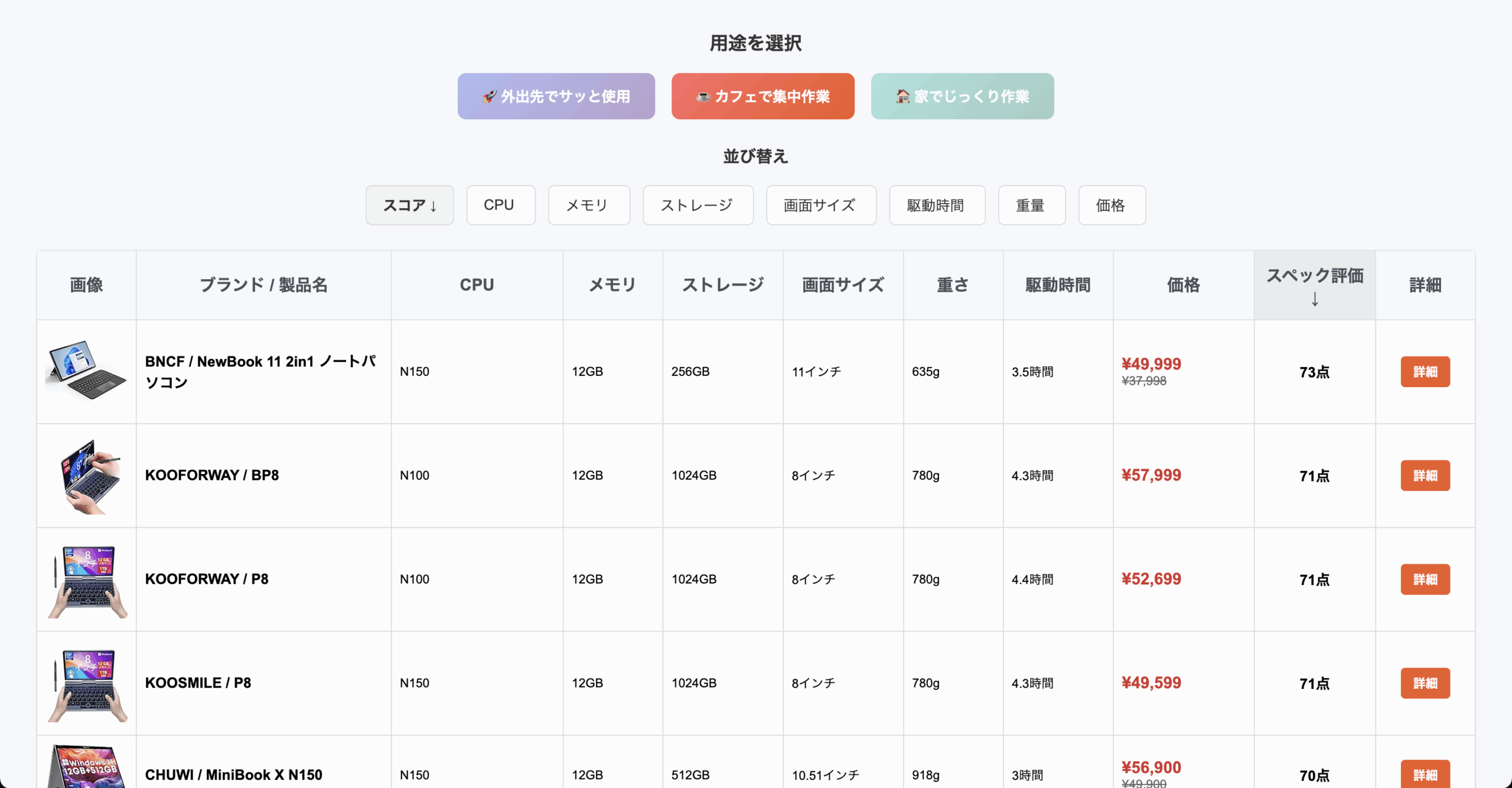
AmazonCompare compact Windows tablets, mini PCs, and laptops by specs and score.
Run by the same operator.
Related Articles
-


- Are Cheap Laptops on Amazon Worth It? Specs to Avoid Before Buying
- Is the iMac Good for Video Editing? M4, Memory, SSD, and Ports
- Can the MacBook Air Handle OBS Streaming? M5, Memory, Heat, and Limits
- Is the iPad A16 Enough for Study Notes? Storage, Pencil, and iPad Air Differences
- iPad Air 11-inch or 13-inch: Which Size Should You Buy?
- Best external monitor for a laptop: 24 vs 27 inch, USB-C, HDMI, and 4K
- When to Buy a Computer for a Child: Elementary and Middle School Guide
- Can You Edit Video on the iPad A16? Storage, Final Cut, and iPad Air Tradeoffs
- Is the iPad Air Good for Digital Art? iPad Pro Differences, Size, and Storage
