Is the M5 iPad Pro Good for Drawing and Comics? Pencil, Size, and Storage Guide
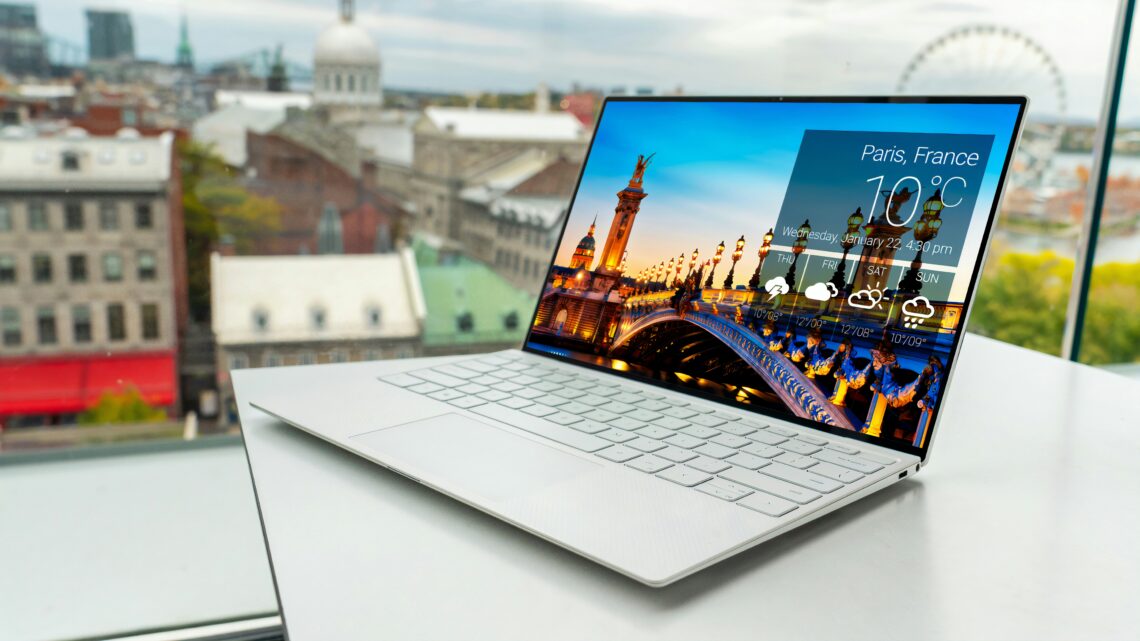
Best Computer for Photo Storage: SSD Size, Backup, and Family Photos

About the Author
Sesera editorial account organizes laptop, mini PC, smartphone, and gadget buying guides so readers can check the important points before buying.
“What kind of computer should I buy for storing photos and videos?”
“Is 512GB enough if I want to keep family photos for years?”
If you are buying a PC mainly for photos, do not start with the fastest processor. Start with where the photos will live.
The practical answer is this: for photo storage, choose at least a 512GB SSD, prefer 1TB for family photos and videos, and keep important photos in at least two places. A high-end gaming laptop is unnecessary for storage alone, but a cheap 256GB laptop will become frustrating quickly.
This guide sorts the decision by storage size, external SSD, cloud backup, family use, photo editing, and what to check before buying.
Choose storage before processor speed
A photo-storage PC does not need to be powerful in every way. If you mostly copy photos from a phone, browse family albums, print a few images, and keep documents organized, capacity matters more than a premium CPU.
The parts that matter first are SSD size, USB-C or other ports for external drives, a screen that is comfortable to view, and an easy backup plan. A fast laptop with too little storage still becomes a problem after a few years of photos and videos.
| Use case | Storage target | PC direction |
|---|---|---|
| Phone photos only | 512GB or more | Normal everyday laptop |
| Family photos and videos | 1TB preferred | Larger laptop or desktop |
| RAW photo editing | 1TB or more | Memory and screen matter too |
| 4K videos as well | 1TB plus external storage | Plan external drives from the start |
| Family viewing PC | 512GB to 1TB | Prioritize screen and ease of use |
Avoid 256GB for a main photo PC
A 256GB SSD can work for a secondary laptop or a cloud-first user, but it is weak for a main photo-storage computer. Windows, apps, downloads, phone backups, videos, and cached cloud files can eat the space before the photo library has much room.
Use 512GB as the lower limit. It can work for one person’s phone photos and light household files. Choose 1TB if you are storing family photos, travel videos, school events, scanned documents, or several years of phone backups.
| SSD size | Who it fits | Judgment |
|---|---|---|
| 256GB | Secondary PC or cloud-first use | Too small for a main photo PC |
| 512GB | One person’s photos | Minimum comfortable line |
| 1TB | Family photos and videos | Best default choice |
| 2TB or more | RAW files, 4K video, long-term archive | For heavy creators and large libraries |
Use an external SSD as a second copy
An external SSD is useful, but it should not be the only place your photos exist. External drives can be dropped, lost, damaged, disconnected during copying, or accidentally erased.
Treat the external SSD as a second copy, not as the whole plan. A simple household setup is to keep recent photos on the PC and copy the library to an external SSD. For important family photos, add cloud backup as a third location.
Also check ports before buying the computer. If the laptop has too few ports or only slow connectors, external SSDs, card readers, monitors, and hubs become annoying. This matters more for photo storage than many buyers expect.
Do not rely on cloud storage alone
Google Photos, OneDrive, iCloud, and other cloud services are convenient, but cloud storage alone is not a complete backup plan. Accounts can have sign-in problems, storage can run out, sync settings can be misunderstood, and deleted files may disappear across devices.
Google explains that Photos backup quality settings affect how photos and videos are stored and whether they are compressed or kept in original quality. See Google Photos backup quality settings.
For Windows users, OneDrive folder backup and Windows Backup can help protect common folders and settings. Microsoft documents both OneDrive folder backup and Windows Backup.
After enabling cloud backup, test it. Open the photos from another device, confirm the newest photos are there, and check whether original files or compressed versions are being stored.
Pick a screen for family viewing
If the PC will stay at home and be used to view family photos, screen comfort matters. A 15-inch or 16-inch laptop is easier for albums, sorting, and choosing photos to print than a small 13-inch screen.
If the same laptop will be carried outside, weight matters more. For one laptop that handles both everyday use and photo storage, a 14-inch class laptop with 16GB memory and a 1TB SSD is a good balance.
For a home-only setup, a desktop or mini PC with a larger monitor can be easier than a laptop. The main question is whether you need portability or a comfortable family photo station.
Use 16GB memory for photo storage
For storing, browsing, organizing, and lightly editing photos, 16GB memory is the safe baseline. It handles normal Windows use, browser tabs, cloud sync, photo apps, and basic editing without feeling cramped.
An 8GB laptop may still run, but I would not choose it now as a main photo PC. The price difference is usually smaller than the frustration of running out of memory while syncing photos, browsing, and editing at the same time.
If you only need a family viewing machine, 16GB is enough. Save the extra budget for 1TB storage, a better screen, or backup drives.
Upgrade specs for RAW and 4K video
Photo storage and photo editing are different jobs. If you only store and view photos, you do not need creator-class hardware. If you edit RAW files in Lightroom, use Photoshop heavily, or handle 4K video, the requirements rise.
For RAW photo editing, start with 16GB to 32GB memory and at least a 1TB SSD. For photo work plus 4K video, 32GB memory, 1TB internal storage, external SSDs, and a good display become much more important.
| Use | Memory | Storage |
|---|---|---|
| Photo storage and viewing | 16GB | 512GB or more |
| Family photos and videos | 16GB | 1TB |
| RAW photo editing | 16GB to 32GB | 1TB or more |
| Photos plus 4K video | 32GB | 1TB plus external SSD |
Plan backup before moving photos
Before buying the PC, decide where the photos are now and where they will go next. Check the phone, old computer, external drives, SD cards, cloud accounts, downloads folder, and shared family accounts.
Do not move everything once and assume the job is done. Keep the old source untouched until you have opened the photos on the new PC, copied them to the backup drive, and confirmed cloud backup if you use it.
If the PC is for an older parent or family member, write down the account recovery information for the cloud service too. A photo backup is only useful if the family can sign in later.
Avoid cheap laptops with cramped storage
Cheap laptops often look attractive because the processor name, screen size, and price are easy to compare. For photo storage, the hidden weakness is often storage size, memory, ports, or screen quality.
Avoid a main photo PC with 256GB storage, 8GB memory, unclear seller warranty, very limited ports, or an older processor sold mainly because it is on discount. A cheap laptop plus immediate external storage and cloud fees may not be cheap in practice.
When comparing Amazon listings, check the exact configuration and seller details before trusting the title. For that buying step, see how to read Amazon laptop reviews before buying.
Choose the PC after choosing the storage plan
Once you know the storage plan, choosing the PC becomes easier. If the photos are mostly one person’s phone pictures, a 16GB memory laptop with 512GB storage can work. If it is a family archive, choose 1TB and plan an external SSD from the beginning.
If you want a needs-based shortlist, use Specsy’s PC buying check. If you already know you want a Windows laptop with more storage, you can compare current options here: Windows 11 laptops with 16GB memory and 1TB SSD on Amazon.
The practical answer for photo storage
For a photo-storage PC, do not overpay for unused performance, but do not underbuy storage. Use 512GB as the minimum, choose 1TB for family photos and videos, and keep important photos in at least two places.
The strongest simple setup is a 16GB memory PC with a 1TB SSD, an external SSD backup, and cloud backup for important photos. That combination matters more than buying the fastest processor in the store.
Frequently asked questions before buying
How much storage do I need for a photo PC?
Use 512GB as the minimum for a main photo PC. Choose 1TB if you store family photos, videos, phone backups, scanned documents, or several years of images. Heavy RAW and 4K video users should plan 1TB or more plus external storage.
Is 256GB enough for storing photos?
Not for a main photo-storage computer. It can work for a secondary laptop or cloud-first use, but Windows, apps, downloads, and videos leave too little room for a growing photo library.
Can I store all photos on an external SSD?
You can, but you should not keep the only copy there. External SSDs can be lost, damaged, or erased. Keep at least two copies, such as the PC plus external SSD, or external SSD plus cloud backup.
Is cloud storage enough for family photos?
Cloud storage is useful, but it should not be the only plan. Account trouble, sync mistakes, storage limits, and accidental deletion can happen. Keep a local copy or external backup for important photos.
What specs do I need for photo editing?
For light edits, 16GB memory and 512GB to 1TB storage are enough. For RAW editing, Lightroom, Photoshop, or 4K video, choose 16GB to 32GB memory, at least 1TB storage, external SSD support, and a good display.
Compare specs on Specsy
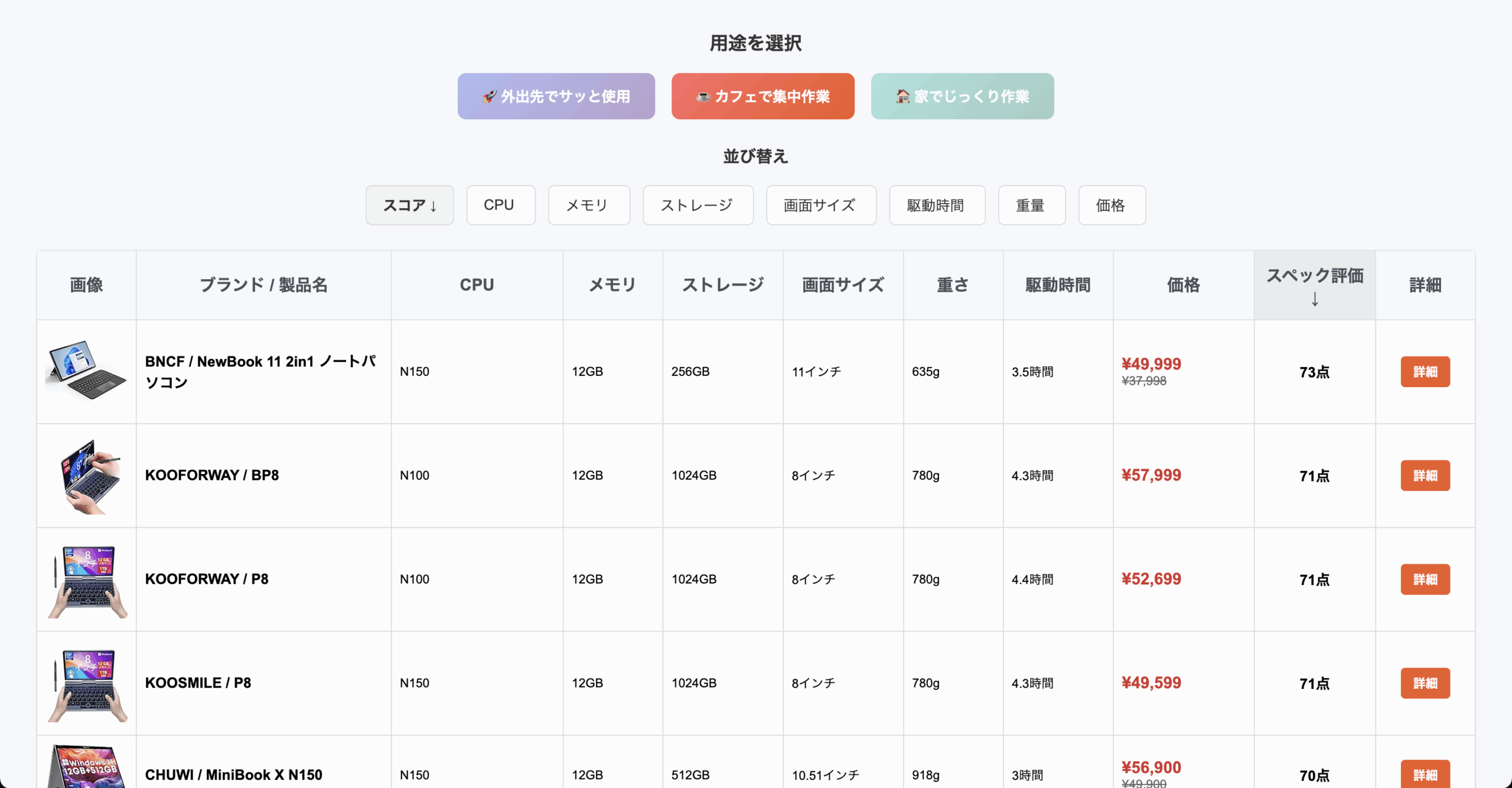
AmazonCompare compact Windows tablets, mini PCs, and laptops by specs and score.
Run by the same operator.
Related Articles
-


- How much memory for MacBook Air: 16GB, 24GB, or 32GB?
- What to Ask Before Buying a Laptop in a Store
- Is Mac mini Good for College? Campus Use, Home Study, and MacBook Air
- How Much Memory and SSD Storage for iMac: 16GB, 24GB, or 32GB?
- Can an iPad Pro Replace a Laptop for Work? Office, External Monitor, and MacBook Limits
- Is the iMac Good for OBS Streaming? M4, Memory, Ports, and When to Skip It
- Is MacBook Air good for programming? M5, memory, and Docker limits
- Is iPad Pro good for video editing? M5, storage, and Final Cut Pro
- Is the Mac mini Good for Blender? M4, M4 Pro, Memory, and GPU Limits
