How much SSD storage for MacBook Air: 512GB, 1TB, 2TB, or 4TB?
Recommended Laptop Specs for College: Memory, Storage, Windows or Mac

About the Author
Sesera editorial account organizes laptop, mini PC, smartphone, and gadget buying guides so readers can check the important points before buying.
“Do I really need to follow my university’s recommended laptop specs?”
“Can students in humanities, science, engineering, design, and medical programs choose the same computer?”
The short answer is this: follow your university or department requirements first. If there is no strict requirement, use 16GB memory, a 512GB SSD, a Full HD or better screen, and a portable 13- to 14-inch laptop as the safe baseline for a four-year college laptop.
Buying below the required specs can create problems with exam software, class apps, video calls, Office files, programming tools, or department-specific software. Buying far above the requirement can also waste money and make the laptop heavier than it needs to be.
This guide localizes the decision around what a college student actually has to choose: required software, memory, storage, portability, Windows or Mac, major-specific needs, campus-store bundles, and the final checks before buying.
Start with the school’s requirements
For a college laptop, the department’s requirement beats any general buying advice. If the school says a specific operating system, app, exam browser, security tool, or hardware feature is required, treat that as the starting point.
If the requirement only says “recommended” and does not name a strict software environment, use the baseline below. It is strong enough for reports, PDFs, browser research, video meetings, Office work, learning platforms, and normal student life.
| Student type | Safe baseline | Main warning |
|---|---|---|
| Humanities and general study | 16GB memory / 512GB SSD | Do not buy too heavy |
| Science and lab courses | 16GB or more / 512GB or more | Check department software |
| Computer science | 16GB minimum | 32GB may help for heavier development |
| Architecture and CAD | 16GB to 32GB | Check Windows and GPU requirements |
| Video, design, and media | 16GB to 32GB | Screen, storage, and performance matter |
| Medical and exam-heavy programs | School requirement first | Do not miss exam environment rules |
Use 16GB memory as baseline
I would not buy an 8GB laptop as a main college computer now. It may still work for simple typing, but four years of browser tabs, PDFs, online classes, Office apps, cloud sync, and background tools can make it feel cramped.
Use 16GB as the normal baseline. It gives enough room for writing papers, joining video calls, researching with many tabs open, managing files, and running common student apps without turning the laptop into a constant compromise.
Consider 32GB if the student may use programming environments, virtual machines, Docker, CAD, large spreadsheets, Adobe apps, video editing, 3D tools, or research data. For light general study, spend extra money on portability, storage, or warranty before jumping to 32GB.
Choose 512GB storage for four years
A 256GB SSD can look acceptable on paper, but it is weak for a main college laptop. The operating system, Office apps, downloads, PDF textbooks, class videos, photos, phone backups, and project files can fill it sooner than expected.
Use 512GB as the practical minimum. It is the best default for most students who need one laptop for classes, reports, everyday files, and a few years of personal data.
Choose 1TB if the student will keep many videos, photos, design files, code projects, research files, or local media on the laptop. External storage can help later, but a college laptop should not feel full from the first year.
| SSD size | Who it fits | Judgment |
|---|---|---|
| 256GB | Secondary device or cloud-first use | Weak for a four-year main laptop |
| 512GB | Most college students | Best minimum line |
| 1TB | Media, coding, design, research files | Worth it for heavier majors |
| 2TB or more | Large video, creative, or data work | Only for clear heavy use |
Pick portability before screen size
A cheap 15.6-inch laptop can be comfortable at home, but it often becomes annoying on campus. Students move between lecture rooms, libraries, labs, dorms, buses, cafes, and home. Weight matters more after the first week.
For one main college laptop, a 13- to 14-inch class model is usually the best balance. It is easier to carry than a large budget laptop but still usable for writing papers and viewing class materials.
If the student wants a larger screen at a desk, add an external monitor later instead of buying a heavy laptop for every day. For that setup, see how to choose an external monitor for a laptop.
Choose Windows when software is specified
If the university or department specifies Windows, choose Windows. This is especially important for exam tools, engineering software, CAD, accounting systems, medical training software, lab tools, printer environments, and classes that assume Excel behavior on Windows.
A MacBook Air is a strong student laptop when there is no Windows requirement and the workload is reports, PDFs, browser research, video meetings, email, and general writing. It is portable, quiet, and easy to use.
The mistake is buying a Mac first and checking the department rules later. If the major has strict software requirements, choose the operating system after reading those requirements, not after comparing designs in a store.
Match specs to your major
Humanities and general programs usually need a stable, light laptop with 16GB memory, 512GB storage, a comfortable keyboard, good battery life, and Office compatibility. Paying for a heavy high-performance laptop is usually unnecessary.
Science and engineering students should check the department list before choosing. Some courses are fine with a normal 16GB laptop. Others expect Windows software, specific lab tools, CAD, simulation apps, or hardware that a thin entry-level laptop may not handle well.
Computer science students should treat 16GB as the floor. If the course uses heavier development, local databases, containers, virtual machines, or large projects, 32GB and a stronger processor can make the laptop last longer.
Architecture, CAD, design, media, and video programs are different from ordinary note-taking. For those majors, check the required apps first, then look at memory, GPU needs, screen quality, and storage. A light general-purpose laptop may be the wrong tool even if it looks premium.
| Major direction | Good starting point | Upgrade when |
|---|---|---|
| Humanities | 16GB / 512GB / light laptop | Rarely needed |
| Business | 16GB / 512GB / Windows or Mac | Large spreadsheets or analytics tools |
| Science | 16GB / 512GB or 1TB | Department software requires it |
| Computer science | 16GB minimum / 512GB or 1TB | Virtual machines or containers |
| Architecture and CAD | Windows-first check | CAD, GPU, or rendering requirements |
| Design and media | 16GB to 32GB / 1TB preferred | Adobe, video, or large projects |
Treat campus-store PCs as support bundles
A campus-store or university-recommended laptop is not only a hardware purchase. It may include warranty support, setup help, repair handling, software guidance, loaner support, or a model that the school knows how to troubleshoot.
That bundle can be worth paying for when the student does not have a tech-savvy family member nearby, needs help on campus, or wants a simple support path during exams and assignments.
If you can compare specs, warranty, return rules, Office licensing, and seller support yourself, buying from Amazon, a retail store, or the manufacturer can also be fine. Before trusting marketplace listings, read how to check Amazon laptop reviews, sellers, and warranty details.
Check these details before buying
Before buying, confirm the university requirements, department software, operating system rule, Office license, exam environment, warranty, return period, weight, battery life, keyboard layout, ports, camera, microphone, and whether the student will use an external monitor or printer.
If you are buying in a store, ask direct questions about the exact model, memory, storage, warranty, return rules, and whether the laptop meets the school’s software requirements. For that step, use the laptop store questions checklist.
If you want a needs-based PC shortlist, use Specsy’s PC buying check. If the baseline is already clear, compare current options here: college laptops with 16GB memory and 512GB SSD on Amazon.
Do not underbuy for a four-year PC
The safest general answer is simple: for most college students, choose 16GB memory, 512GB storage, a Full HD or better display, a portable 13- to 14-inch body, and the operating system required by the university or major.
Do not buy an 8GB or 256GB laptop as the main four-year computer just because it is cheap. Also avoid buying a heavy high-performance machine unless the major actually needs that power.
For humanities and general study, a light 16GB / 512GB laptop is the standard answer. For science, computer science, architecture, media, design, and medical programs, read the department requirement first and then choose the laptop that meets it without becoming harder to carry than necessary.
Frequently asked questions before buying
What laptop specs do college students need?
For most students, use 16GB memory, a 512GB SSD, a Full HD or better screen, and a portable 13- to 14-inch laptop as the baseline. Majors with required software should follow the department requirement first.
Is 8GB memory enough for college?
I would not choose 8GB for a new main college laptop. It may handle light typing, but browser tabs, PDFs, video calls, Office apps, and background tools can make it feel limited over four years.
Is 256GB storage enough for college?
It is weak for a main four-year laptop. Choose 512GB as the practical minimum. Choose 1TB if the student will keep videos, photos, coding projects, design files, or research data locally.
Should college students choose Windows or Mac?
Choose Windows if the university or major specifies Windows software, exam tools, CAD, lab software, or Windows Excel behavior. If there is no Windows requirement and the work is reports, PDFs, browsing, and video meetings, a MacBook Air can also work well.
Are campus-store laptops worth it?
They can be worth it when support, warranty, setup help, and on-campus troubleshooting matter. If you can compare specs, warranty, Office licensing, return rules, and seller support yourself, buying elsewhere can also be fine.
Compare specs on Specsy
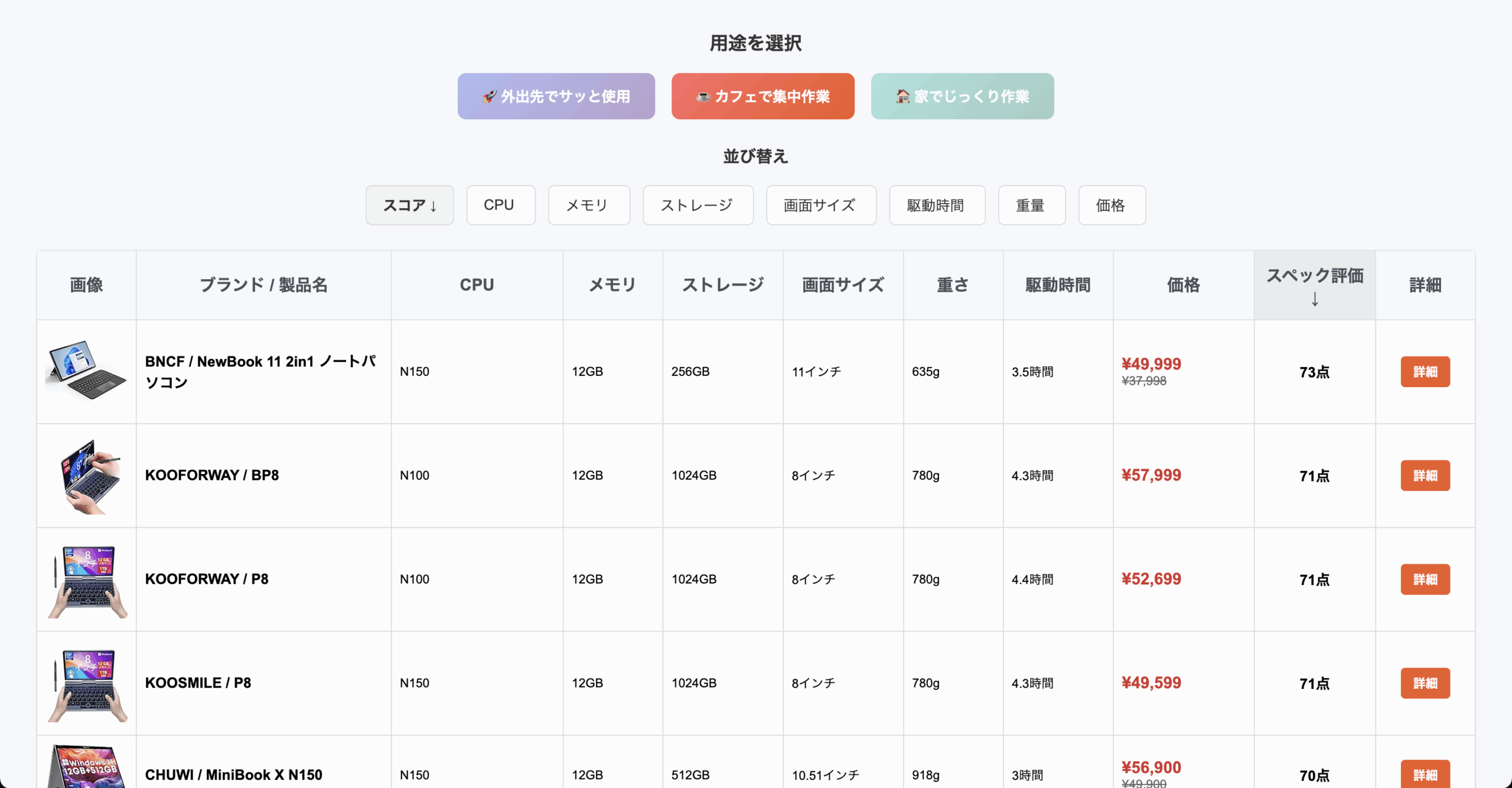
AmazonCompare compact Windows tablets, mini PCs, and laptops by specs and score.
Run by the same operator.
Related Articles
-


- Is iPad Pro good for video editing? M5, storage, and Final Cut Pro
- Is the MacBook Pro Good for AI Development? M5 Pro/Max, Memory, and Local LLMs
- Can You Trust Amazon Laptop Reviews? What to Check Before Buying
- How much memory for MacBook Air: 16GB, 24GB, or 32GB?
- Can the MacBook Air Handle OBS Streaming? M5, Memory, Heat, and Limits
- Is the iPad Air Good for Study Notes? 11-inch vs 13-inch, Storage, and Apple Pencil
- Is the iMac Good for OBS Streaming? M4, Memory, Ports, and When to Skip It
- MacBook Pro or Mac mini: which Mac is better for creative work and development?
- Is the Mac mini Good for OBS Streaming? M4, M4 Pro, Memory, and Ports
