Is the Mac mini Good for Illustrator and Photoshop? M4, M4 Pro, and Memory Choices
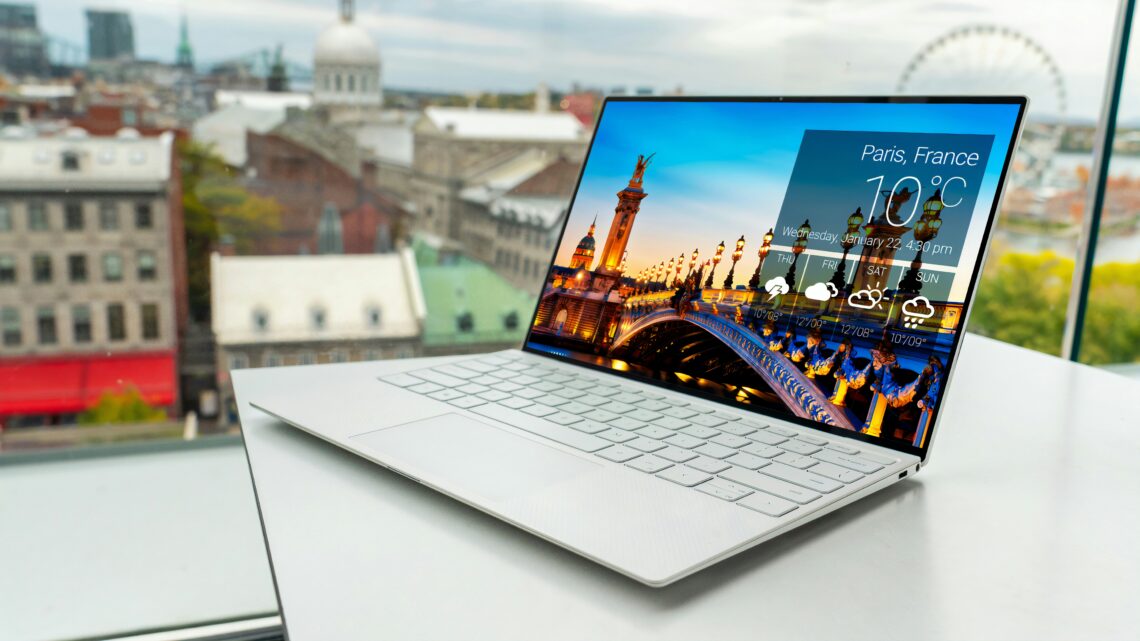
Is the MacBook Pro Good for Illustrator and Photoshop? Memory and SSD Guide

About the Author
Sesera editorial account organizes laptop, mini PC, smartphone, and gadget buying guides so readers can check the important points before buying.
If you are buying a Mac for Illustrator and Photoshop, the hard part is not deciding whether the MacBook Pro is powerful. It is deciding how much Pro you actually need.
My short answer: choose a MacBook Pro when Adobe work is part of your job, when files are large, or when you want one portable machine that can handle design work for several years. If you only make social posts, resize photos, or learn the apps, a MacBook Air can be the better buy.
The mistake is buying the cheapest Pro because the name feels safe, then running out of memory or storage. The other mistake is jumping to M5 Max when your real bottleneck is screen space, SSD capacity, or a decent external monitor.
This guide walks through the practical choices: M5, M5 Pro, M5 Max, memory, SSD storage, 14-inch vs 16-inch, and when a desktop Mac or Windows creative PC is worth comparing.
Start with the kind of Adobe work you do
For Illustrator and Photoshop, the MacBook Pro makes the most sense when the work is regular, layered, and paid. Large PSD files, RAW photo edits, print layouts, multiple artboards, heavy browser use, and external monitors all push you toward the Pro line.
For lighter work, the answer changes. Simple banners, thumbnails, presentation images, class projects, and small web graphics do not automatically require a MacBook Pro. In those cases, memory and storage matter more than buying the most expensive chip.
| Workload | Good starting point | What I would avoid |
|---|---|---|
| Learning Adobe apps | M5 with enough storage | Paying for Max just to feel safe |
| Social graphics and light edits | M5 or MacBook Air class machine | Tiny SSD with no storage plan |
| Client design work | M5 Pro with 24GB or more | Base memory if this is your main tool |
| Large PSD or RAW projects | M5 Pro with 36GB/48GB | Treating Adobe minimum specs as a comfort spec |
| Adobe plus video or AI work | M5 Max only if the workload is real | Spending on GPU before memory and SSD |
Apple lists the current MacBook Pro line with M5, M5 Pro, and M5 Max options, with higher configurations adding more CPU and GPU headroom. You can check the exact current configurations on Apple's MacBook Pro tech specs.
M5 is the light Adobe choice
The regular M5 MacBook Pro is not weak. It is a sensible choice if Illustrator and Photoshop are important, but not your entire workday. It gives you a better display, better ports, and active cooling compared with a thin everyday laptop.
I would use M5 for learning, small client pieces, photo cleanup, web graphics, and light layout work. I would not make it my first pick for years of heavy PSD files, batch RAW editing, or working with several Adobe apps open all day.
The key point is that M5 should not be used as an excuse to buy the lowest memory and SSD configuration. For Adobe work, a balanced M5 build beats a chip-focused build with cramped storage.
M5 Pro is the safer work machine
M5 Pro is the configuration I would start with for serious Illustrator and Photoshop work. It gives you more room when Photoshop, Illustrator, Lightroom, a browser, chat, cloud sync, and reference files are all open at once.
This is the level that fits designers, photographers, small business owners doing real production work, and students in creative programs who expect the laptop to last through heavier projects. It is not just about one benchmark. It is about the machine staying calm when the project gets messy.
If you are unsure between M5 and M5 Pro, ask a practical question: will slow exports, laggy layers, or memory pressure cost you time every week? If yes, buy the Pro chip before you buy accessories you can add later.
M5 Max is for mixed creative workloads
M5 Max is easy to overspend on if you only say, “I use Photoshop.” It starts to make sense when Adobe work is mixed with video editing, AI-assisted workflows, large composites, 3D, or several pro apps running together.
For Illustrator alone, M5 Max is usually not the first place I would put the money. For Photoshop, it depends on file size, plug-ins, AI features, and whether the laptop is replacing a desktop workstation.
Before choosing M5 Max, make sure memory, SSD capacity, backup storage, and display setup are already handled. A faster chip does not fix a 512GB SSD that is constantly full.
Memory matters more than the chip name
Adobe’s official requirements are useful as a floor, not as a buying target. Adobe lists 8GB RAM as a minimum and 16GB or more as recommended for Photoshop, while Illustrator also publishes its own desktop requirements. Those numbers tell you the apps can run; they do not tell you what feels good during real project work. See Adobe’s current pages for Photoshop system requirements and Illustrator system requirements.
| Memory | Best fit | My take |
|---|---|---|
| 16GB | Learning, light edits, small files | Usable, but not where I would start for paid work |
| 24GB | Light professional work | The practical floor for a new Adobe-focused MacBook Pro |
| 36GB/48GB | Large PSD, RAW, multitasking | The comfortable range for serious Photoshop and Illustrator use |
| 64GB+ | Huge files, AI tools, video plus Adobe | Worth it only when the workload clearly pays for it |
If this laptop is for work, I would rather choose M5 Pro with more memory than M5 Max with memory trimmed too aggressively. Memory pressure is what makes a powerful laptop feel strangely slow.
For a deeper MacBook Pro memory breakdown, use the separate guide on 24GB, 48GB, 64GB, and 128GB MacBook Pro memory choices.
SSD storage is part of performance
Photoshop scratch files, RAW photos, fonts, exports, stock assets, cloud sync folders, and project archives fill storage faster than people expect. Once the internal SSD is tight, the whole workflow gets annoying.
| SSD | Who it fits | What to watch |
|---|---|---|
| 512GB | Students and light Adobe users | Only comfortable with external storage |
| 1TB | Most Adobe-focused buyers | The baseline I would choose for regular work |
| 2TB | Designers and photographers with local projects | Much easier if you travel or work offline |
| 4TB+ | Large production libraries | Expensive, but useful when local storage is part of the job |
External SSDs are fine for archives and large media libraries. I still want enough internal storage for current projects, app caches, fonts, and exports. The fewer pieces you need to plug in at a cafe, classroom, or client site, the less friction you have.
If storage is your main worry, the dedicated guide to MacBook Pro SSD choices from 1TB to 8TB goes deeper.
Choose the screen around where you work
For Adobe apps, screen space changes the experience immediately. Photoshop panels, Illustrator artboards, layers, properties, and reference windows all compete for room.
| Choice | Choose it if | Trade-off |
|---|---|---|
| 14-inch | You carry the laptop often | Best with an external monitor at your desk |
| 16-inch | You work on the built-in display for long sessions | Heavier and less convenient in small bags |
| 14-inch plus monitor | You split work between desk and travel | Requires a good desk setup |
| Desktop Mac | You almost never move the machine | Less flexible, often better value per desk setup |
My default is simple: 14-inch if you commute or travel, 16-inch if the built-in screen is your main workspace. If you are undecided, read the 14-inch vs 16-inch MacBook Pro guide before spending more on chip upgrades.
MacBook Pro is not always the best Adobe setup
If you mostly work at one desk, compare the MacBook Pro with an iMac or Mac mini setup. A larger display, full-size keyboard, better desk ergonomics, and lower total cost can matter more than portability.
The iMac is clean and simple if you want one screen and one computer. The Mac mini is better if you already have a monitor or want to choose a better display for design work. The English guides for iMac with Illustrator and Photoshop and Mac mini with Illustrator and Photoshop cover those routes.
Windows creative laptops are also worth comparing when you need specific office software, NVIDIA GPU workflows, upgrade options, or a lower price for a desk-heavy setup. I would not lock into Mac just because Adobe runs well on Mac.
My buying line
For a new MacBook Pro bought mainly for Illustrator and Photoshop, I would use these lines.
- Light Adobe work: M5, but do not cut storage too hard.
- Regular client or job work: M5 Pro with at least 24GB memory.
- Large PSD, RAW, and multitasking: M5 Pro with 36GB or 48GB memory.
- Adobe plus video, AI, or heavy mixed creative work: consider M5 Max.
- Desk-only work: compare iMac and Mac mini before buying a laptop.
The MacBook Pro is a strong Illustrator and Photoshop machine, but the best build is not always the most expensive one. Spend first on memory, SSD, and screen setup. Move up to M5 Max only when your files and weekly workload clearly need it.
Frequently Asked Questions
Is the MacBook Pro good for Illustrator and Photoshop?
Yes, especially if you work with large PSD files, RAW photos, print layouts, multiple Adobe apps, or external displays. For light social graphics and simple photo edits, a MacBook Air can still be enough.
Is M5 enough for Illustrator and Photoshop?
M5 is fine for lighter Illustrator and Photoshop work. If Adobe work is part of your job, M5 Pro is the safer starting point. M5 Max only makes sense when heavy compositing, AI tools, video work, or several creative apps are part of the same workflow.
How much memory should I choose?
Start at 24GB if this is a work machine. Choose 36GB or 48GB if you keep Photoshop, Illustrator, Lightroom, browser tabs, chat, and cloud sync open at the same time. Go higher only when large files or paid production time justify it.
Is 512GB SSD enough for Adobe work?
512GB can work for learning and light projects if you use external storage. For paid design or photo work, 1TB is the practical floor, and 2TB is easier if you keep project files, RAW photos, fonts, exports, and scratch space on the Mac.
Should I choose the 14-inch or 16-inch MacBook Pro?
Choose 14-inch if you travel and use an external monitor at your desk. Choose 16-inch if you often work on the built-in display and want more room for Photoshop panels, Illustrator artboards, timelines, and reference windows.
Compare specs on Specsy
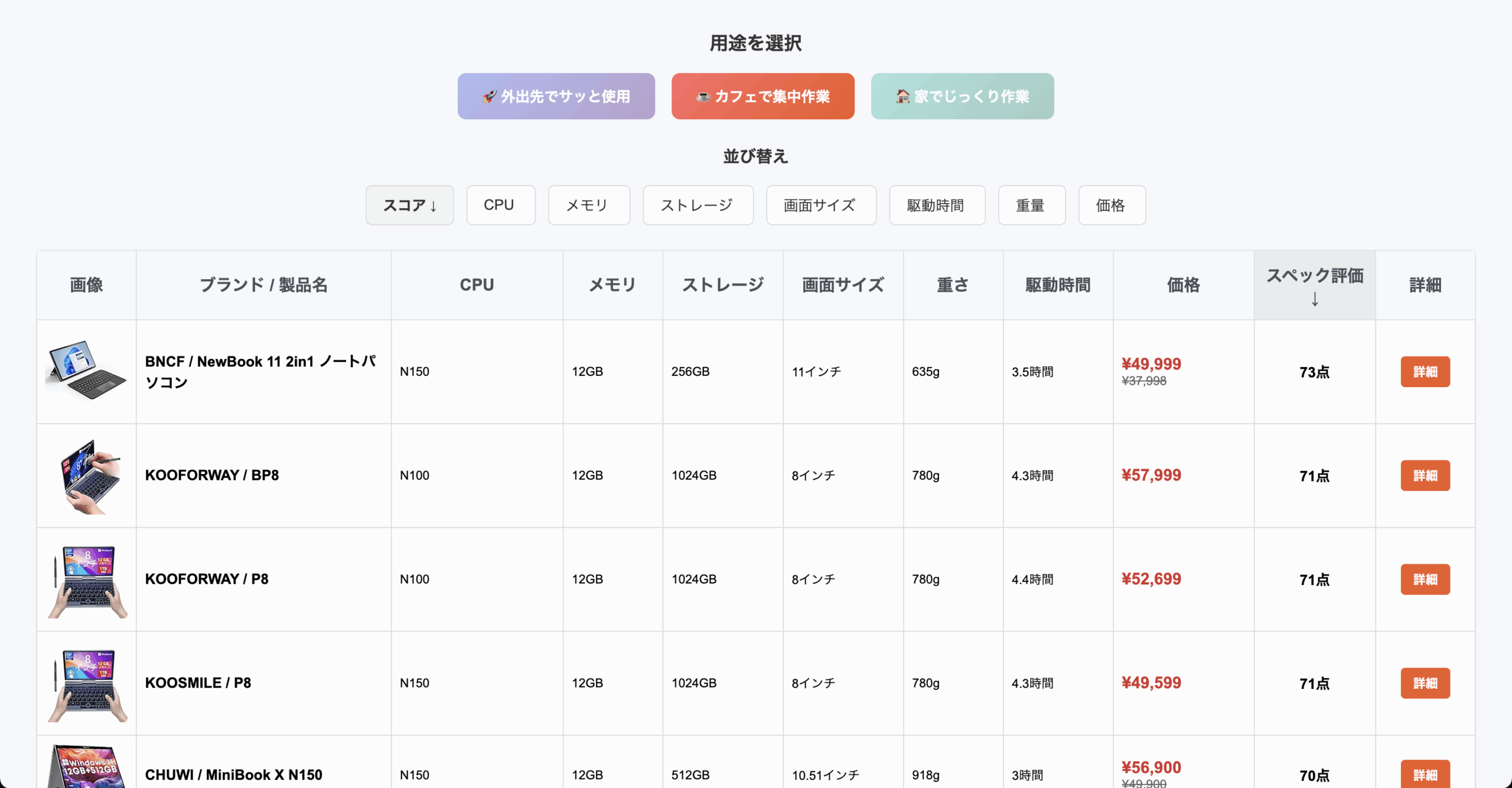
AmazonCompare compact Windows tablets, mini PCs, and laptops by specs and score.
Run by the same operator.
Related Articles
-


- Is iPad Air Good for Music Production? Logic Pro, Storage, and Limits
- How Much iPad Storage Do You Need: 128GB, 256GB, 512GB, 1TB, or 2TB?
- Is the MacBook Pro Good for Blender? M5 Pro/Max, Memory, and GPU Guide
- Is iPad Air Good for College? Notes, Reports, and Pro Tradeoffs
- What to Ask Before Buying a Laptop in a Store
- Is the iMac Good for Photo and Video Editing? M4, Memory, and SSD Choices
- Is the MacBook Pro Good for AI Development? M5 Pro/Max, Memory, and Local LLMs
- How to Protect Parents from PC Support Scams and Fake Warnings
- iMac or Mac mini: Which Should You Buy for a Clean Desk or Custom Setup?
