Is the iMac Good for Video Editing? M4, Memory, SSD, and Ports
Is the iPad A16 Good for Music Production? GarageBand, Logic Pro, and Storage

About the Author
Sesera editorial account organizes laptop, mini PC, smartphone, and gadget buying guides so readers can check the important points before buying.
Can the regular iPad with A16 handle music production, or will you regret not buying an iPad Air, iPad Pro, or Mac?
And if you mainly want GarageBand, Logic Pro for iPad, a small MIDI keyboard, or simple vocal and guitar recording, how much storage should you buy?
The practical answer is this: iPad A16 is a good entry point for GarageBand, beat ideas, Touch Instruments, songwriting, and rough recording. I would choose 256GB for most music-production buyers, keep 128GB only for light GarageBand use, and move to iPad Air or iPad Pro if Logic Pro for iPad will become a regular part of your workflow.
The easy mistake is buying the cheapest iPad and treating all music production as the same job. A loop-based GarageBand idea, a vocal demo through an audio interface, a Logic project with many tracks, and a final mix with desktop plugins are different workloads. The iPad A16 handles the first steps well. It becomes less attractive as the setup grows.
This guide starts with the buying call, then breaks down GarageBand, Logic Pro for iPad, storage, recording gear, USB-C limits, iPad Air, iPad Pro, Mac, and the configurations I would actually target.
Start with the kind of music work you do
Choose iPad A16 when the iPad is a low-friction music sketchpad. It fits people who want to make beats, try melodies, record rough vocals, play Touch Instruments, edit simple MIDI, and learn how songs are arranged without buying a full computer setup first.
Do not choose it as a cheap replacement for a desktop studio. Once your sessions depend on large sample libraries, Mac-only plugins, several external devices, external drives, and long mixing sessions, the regular iPad starts to feel cramped.
| Music workload | iPad A16 fit | Buying call |
|---|---|---|
| GarageBand songs and loops | Strong | 128GB works, 256GB is easier |
| Beat making and MIDI ideas | Good | Choose 256GB if you will keep projects |
| Vocals or guitar through an interface | Usable | Budget for the gear chain |
| Logic Pro for iPad basics | Usable | Consider iPad Air first |
| Large samples and heavy projects | Weak | Choose Air, Pro, or Mac |
| Final mix with desktop plugins | Weak | Choose a Mac-centered setup |
Related reading:
Is iPad Air good for music production?
Is iPad Pro good for music production?
GarageBand is the best reason to start here
GarageBand is where the iPad A16 makes the most sense. You can start quickly, tap out drums, use Touch Instruments, build loops, record audio, and learn the shape of a song without worrying about a full DAW setup.
Apple lists the current 11-inch iPad with the A16 chip, 128GB, 256GB, or 512GB of storage, USB-C, landscape stereo speakers, and dual microphones for calls, video, and audio recording. That is enough for a beginner music iPad, especially if GarageBand is the main app.
GarageBand also gives you a friendlier starting point than Logic. If you are still learning what tracks, loops, software instruments, audio regions, and arrangements mean, I would not spend extra just because you might use a pro app someday.
Sources:
Apple iPad 11-inch technical specifications
Apple GarageBand for iOS
Logic Pro works, but it changes the target
Logic Pro for iPad can run on the iPad A16. Apple Support lists Logic Pro for iPad as compatible with iPad 8th generation or later, and the App Store listing requires an A12 Bionic chip or later with iPadOS 26 or later.
That does not make the entry iPad my first Logic recommendation. Logic users tend to add tracks, effects, audio recordings, sound libraries, and project files over time. The app may open and run, but storage pressure, screen space, and external gear become part of the experience.
If Logic Pro for iPad is something you want to try, the iPad A16 is acceptable. If Logic Pro for iPad is the reason you are buying the device, I would compare iPad Air before checkout.
Sources:
Apple Support: About Logic Pro for iPad
Logic Pro for iPad on the App Store
Recording depends on the gear chain
The iPad itself can capture quick ideas with its built-in microphones. That is fine for a melody note, a lyric idea, or a rough guitar part. It is not the way to judge finished recording quality.
For cleaner vocals, guitar, bass, or keyboard work, plan the full chain: audio interface, microphone, MIDI keyboard, headphones, hub, cables, power, and the space you record in. The interface and microphone usually matter more than the iPad model.
A simple setup can work well: iPad A16, one class-compliant audio interface, one MIDI controller, and headphones. If you want multiple inputs, several devices, external drives, and a desk full of gear, a Mac or iPad Pro becomes easier to organize.
Choose 256GB unless this is casual
For music production, 128GB is the floor, not the comfortable choice. It works if you mainly use GarageBand, keep a small number of projects, and clean up recordings often. It becomes annoying when music apps, projects, audio files, sample packs, exports, photos, videos, and cloud cache all compete for space.
256GB is the storage tier I would target for most iPad A16 music buyers. It keeps the regular iPad affordable while giving GarageBand, lighter Logic projects, recordings, and other apps more breathing room.
| Storage | Good for | Buying call |
|---|---|---|
| 128GB | GarageBand basics, few projects, cloud habits | Usable floor |
| 256GB | GarageBand, song sketches, light Logic, rough recording | Best default |
| 512GB | More recordings, projects, samples, and creative apps | Compare against iPad Air |
The 512GB iPad A16 is not wrong, but the price gap matters. If you are already paying for 512GB because music production is serious, compare that total against iPad Air. Air gives you more headroom for Logic and a better long-term creative target.
Related reading:
How much iPad storage do you need?
Watch the USB-C limit
The iPad A16 has USB-C, which is helpful for charging, adapters, MIDI gear, audio interfaces, and display output. The limit is speed. Apple lists the port as USB 2.0, up to 480Mb/s.
For a beginner music setup, that is not a deal breaker. A MIDI keyboard and a simple audio interface do not automatically need a high-speed port. The issue appears when you expect the iPad to behave like a desktop machine with fast external storage and several connected devices.
If external drives, hubs, displays, interfaces, and long desk sessions are part of the plan, price iPad Pro or a Mac before buying the regular iPad.
Choose iPad Air when Logic is part of the plan
iPad Air is the cleaner middle choice for people who want to grow beyond GarageBand. It gives you a stronger creative target, an 11-inch or 13-inch choice, and more headroom for Logic Pro for iPad without paying for every iPad Pro feature.
I would choose iPad A16 for a low-cost music sketchpad. I would choose iPad Air for someone who already expects to use Logic, record more often, edit on a larger screen, or keep the iPad for several years of creative work.
Related reading:
Is iPad Air good for music production?
iPad vs iPad Air: storage, notes, and Pencil differences
Choose iPad Pro only for iPad-first production
iPad Pro is not necessary for learning GarageBand. It becomes interesting when the iPad itself is the main production surface: longer Logic sessions, heavier projects, better speakers, the best display, Thunderbolt-class workflows, and more demanding external gear.
If the iPad is a secondary music notebook, iPad Pro is more than you need. If the iPad is your main studio and you want the smoothest iPad experience, Pro has a real case.
Related reading:
Is iPad Pro good for music production?
iPad Pro 11-inch vs 13-inch
Choose a Mac for final production
A Mac is still the safer center for finished music work. It gives you broader desktop plugin support, easier file management, larger monitor options, more flexible windows, better external storage habits, and a more familiar DAW environment for long sessions.
That does not make the iPad A16 a bad music device. It means the job should be split clearly. Use the iPad for writing, touch instruments, GarageBand ideas, quick recording, and portable sketches. Use a Mac when the work becomes plugin-heavy, file-heavy, mix-heavy, or client-facing.
If you want one device only and music production is the main job, I would be careful about choosing the regular iPad over a MacBook or Mac mini. If you already have a computer, the iPad A16 becomes easier to recommend as the creative device beside it.
Related reading:
iPad Pro vs MacBook Pro for creative work
Best iPad A16 configurations for music
| Use case | Configuration to target |
|---|---|
| GarageBand beginner | iPad A16, 128GB or 256GB |
| Song sketches and MIDI ideas | iPad A16, 256GB |
| Light Logic Pro for iPad use | iPad A16 256GB, but compare iPad Air |
| More recording and local projects | iPad A16 512GB or iPad Air 256GB/512GB |
| Regular Logic production | iPad Air first |
| Heavy iPad-first studio | iPad Pro |
| Desktop plugins and final mixes | MacBook Pro or Mac mini |
My default pick is iPad A16 with 256GB if you want an affordable music-production iPad for GarageBand, song ideas, MIDI, and rough recording. It gives you enough room to learn without paying for an iPad Air or iPad Pro before you know how serious the workflow will become.
Choose 128GB only if this is a casual GarageBand device. Choose 512GB only after comparing the price against iPad Air. Choose a Mac if music production is the main reason you are buying one device.
Before buying an iPad for music production, check whether your workload really belongs on iPad A16, iPad Air, iPad Pro, MacBook, Mac mini, or a Windows laptop.
Specsy can help narrow down portability, screen size, storage, memory, external gear, and budget before you compare individual models.
Useful US Amazon searches
Use these as search shortcuts, then confirm the exact generation, storage, seller, warranty, and return policy before buying.
Frequently asked questions about iPad A16 music production
Is the iPad A16 good for music production?
Yes, if you mean GarageBand, song sketches, MIDI ideas, loops, and lighter recording. It is not the model I would choose for heavy Logic Pro for iPad projects, large sample libraries, long sessions, or a Mac-style studio workflow.
Can the iPad A16 run Logic Pro for iPad?
Yes. Apple lists Logic Pro for iPad as compatible with iPad 8th generation or later, and the App Store listing requires an A12 Bionic chip or later with iPadOS 26 or later. Compatibility is not the same as the best buying target, so regular Logic users should also compare iPad Air and iPad Pro.
How much storage should I get for music production?
Choose 256GB for most music-production buyers. 128GB is acceptable for light GarageBand use if you clean up projects often. Choose 512GB only if you know you will keep recordings, projects, samples, and other creative apps on the iPad.
Can an iPad A16 replace a Mac for music production?
It can replace a Mac for sketching ideas, touch instruments, basic GarageBand work, and portable rough recording. A Mac is still cleaner for desktop plugins, larger sample libraries, external storage, complex routing, long recording sessions, and final mixing.
Should I buy iPad A16, iPad Air, or iPad Pro for music production?
Buy iPad A16 for a low-cost GarageBand and sketching device. Buy iPad Air if Logic Pro for iPad is part of the plan. Buy iPad Pro if the iPad itself will be your main production surface with heavier projects and more external gear.
Compare specs on Specsy
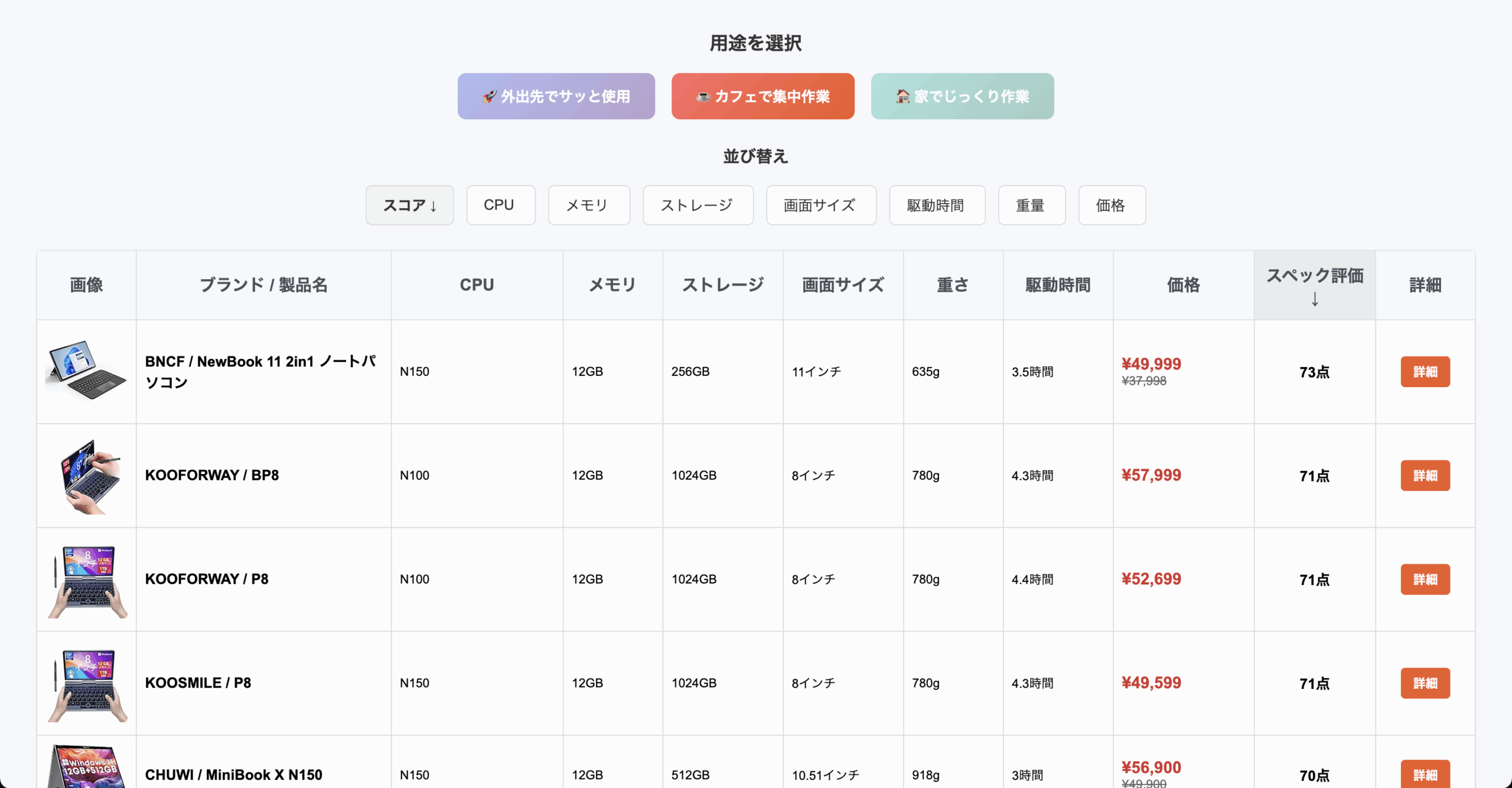
AmazonCompare compact Windows tablets, mini PCs, and laptops by specs and score.
Run by the same operator.
Related Articles
-


- Is the Mac mini Good for Music Production? M4, M4 Pro, Memory, and Storage
- Is MacBook Air good for programming? M5, memory, and Docker limits
- How Much iPad Storage Do You Need: 128GB, 256GB, 512GB, 1TB, or 2TB?
- Mac mini M4 or M4 Pro: Which Chip Should You Choose?
- Can You Draw on the iPad A16? Apple Pencil, Storage, and iPad Air Differences
- Is iMac Good for College? Home Study, Campus Use, and MacBook Air
- Is MacBook Air good for AI development? M5, memory, and local AI limits
- Can You Use the iPad A16 for Work? Office, Meetings, and Laptop Limits
- Is the MacBook Air Good for Blender? M5, Memory, and 3D Limits
