Best Reptile Encyclopedias: 3 Top Picks

Best Snake Identification Guides: 8 Picks for U.S. Regions and Worldwide

About the Author
Sesera editorial account organizes laptop, mini PC, smartphone, and gadget buying guides so readers can check the important points before buying.
Choosing a snake identification guide can be tricky when the books cover different places and species.
Photos, maps, keys, species accounts, and look-alike descriptions can help readers identify snakes and learn about their ranges and habitats.
This time, we’re rounding up eight guides, from books focused on particular states to one covering snake species around the world.
Quick-reference table of recommended products
| Product name | Geographic scope | Identification reference features |
|---|---|---|
 U.S. Guide to Venomous Snakes and Their Mimics | United States | Regional habitat organization, full-color photos and maps, and hints on venomous snakes and harmless imitators |
| Guide and Reference to the Snakes of Eastern and Central North America (North of Mexico) | Eastern and central North America, from west Texas to western Manitoba and the eastern seaboard | Family-grouped species accounts, photos, range maps, and descriptive text on the same page |
| Snakes of the Eastern United States | Eastern United States, plus Washington, DC | Species accounts with identification characteristics and colorful range maps |
| Snakes of North America: Eastern and Central Regions | Eastern and central regions of North America | Species and subspecies accounts covering size, habitat, behavior, and venomous/nonvenomous status |
| Texas Snakes: A Field Guide | Texas | Checklist and species key, with appearance and look-alike descriptions, color photos, and range maps |
| Venomous Snakes of Texas: A Field Guide | Texas | Species descriptions and look-alikes, full-color photos, and county-by-county distribution maps |
| The Book of Snakes: A Life-Size Guide to Six Hundred Species from around the World | Worldwide | Full-color life-size accounts, head close-ups, and sections showing snakes at actual size |
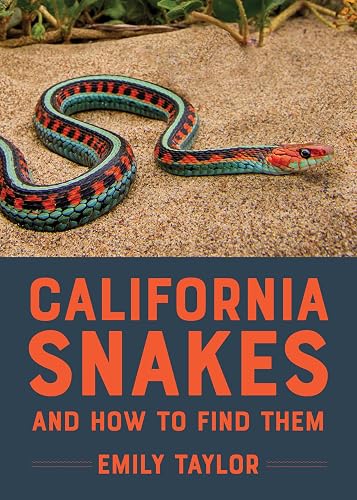 California Snakes and How to Find Them | California | Species profiles, identification guides, and handling advice |
U.S. Guide to Venomous Snakes and Their Mimics
If you’re looking for a guide to snakes across the United States that helps distinguish venomous snakes from harmless look-alikes, U.S. Guide to Venomous Snakes and Their Mimics is recommended. It groups snakes by regional habitats and features full-color photographs for almost every snake in the country, along with full-color maps and hints for telling poisonous snakes from harmless imitators.
U.S. Guide to Venomous Snakes and Their Mimics
Guide and Reference to the Snakes of Eastern and Central North America (North of Mexico)
If you’re looking for a regional guide to identifying snakes and learning about their ranges and look-alikes, Guide and Reference to the Snakes of Eastern and Central North America (North of Mexico) is recommended. The guide covers areas from west Texas to western Manitoba and the eastern seaboard; species accounts are grouped by family, with photos, range maps, and descriptive text together on the same page.
The introductory chapters cover snake taxonomy and habitats, and also survey the legal and safety issues that should govern any attempts to handle snakes.
Guide and Reference to the Snakes of Eastern and Central North America (North of Mexico)
Snakes of the Eastern United States
If you’re interested in natural history and want a guide to identifying snakes of the eastern United States, Snakes of the Eastern United States is recommended. Species accounts pair detailed identification characteristics with colorful range maps and cover ecology, behavior, and conservation status; a separate chapter also explores urban and suburban snake ecology.
Snakes of the Eastern United States
Snakes of North America: Eastern and Central Regions
If you’re looking for a detailed snake reference for the Eastern and Central Regions of North America, Snakes of North America: Eastern and Central Regions is recommended. It describes almost 200 species, and its species and subspecies accounts cover abundance, size, reproductive habits, prey, habitat, behavior, and venomous or nonvenomous status.
Snakes of North America: Eastern and Central Regions
Texas Snakes: A Field Guide
If you’re looking to identify snakes in Texas, Texas Snakes: A Field Guide is recommended. It covers 111 Texas snake species and subspecies, with a checklist and key to the species; its accounts describe appearance, look-alikes, size, and habitats, alongside color photos and range maps.
It also covers venomous snakes, as well as snakebite prevention or initial treatment.
Texas Snakes: A Field Guide
Venomous Snakes of Texas: A Field Guide
If you’re focused on recognizing rattlesnakes, copperheads, cottonmouths, and coral snakes in Texas, Venomous Snakes of Texas: A Field Guide is recommended. Species entries include full-color photographs, county-by-county distribution maps, descriptions, and look-alikes.
They also offer advice on recognizing venomous snakes and preventing and treating snakebite at home and in the field.
Venomous Snakes of Texas: A Field Guide
The Book of Snakes: A Life-Size Guide to Six Hundred Species from around the World
For lay readers looking for a worldwide guide to snake diversity, The Book of Snakes: A Life-Size Guide to Six Hundred Species from around the World is recommended. This second edition presents 600 species through full-color, life-size accounts, with head close-ups and sections shown at actual size; the detailed images let readers examine scale patterns, colors, and features such as a cobra’s hood or a rattlesnake’s rattle.
The Book of Snakes: A Life-Size Guide to Six Hundred Species from around the World
California Snakes and How to Find Them
If you’re a budding snake enthusiast interested in wildlife viewing in California, California Snakes and How to Find Them is recommended. It profiles nearly 50 fork-tongued species and includes identification guides and handling advice for readers interested in wildlife viewing.
California Snakes and How to Find Them
Choose by the region and identification focus you need
- Readers looking for a guide to snakes across the United States
- Readers interested in identifying snakes in eastern North America
- Readers focused on Texas snakes
- Lay readers seeking a guide to snake diversity worldwide
- Budding enthusiasts interested in California snakes and wildlife viewing