Best Laptop Brands by Use: Work, College, Home, and Creative Tasks
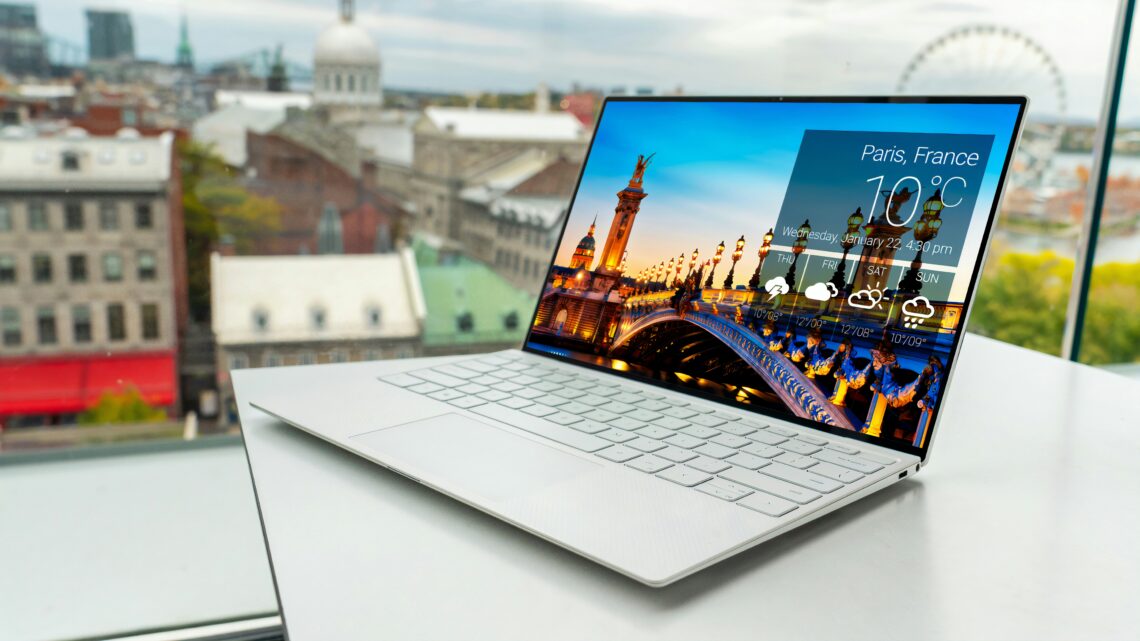
Lenovo or HP: which laptop is the lesser hassle?

About the Author
Sesera editorial account organizes laptop, mini PC, smartphone, and gadget buying guides so readers can check the important points before buying.
Hello, this is Sesera. I like PCs.
Lenovo and HP are both fine makers. Picking by the name alone is slower than asking where you sit every day, and which work you do not want to struggle with.
Split first by where you work
This is my own picture of it, but Lenovo reads as a work tool. A black ThinkPad, the red TrackPoint, a firm keyboard: mail, docs, code, Excel, done without fuss.
HP, on the same Windows notebook, leans a bit toward looks. OmniBook and Envy push weight, color, and a clean lid, so opening it at school, a cafe, the living room, or on the road does not feel dull.
Lenovo is built more for offices and work. HP is better at showing a PC you carry every day. Not higher or lower. Different rooms.
Type all day: Lenovo. Carry all day: HP. That split is enough to start.
Fit by job
A notebook is the work, not the brand. Web, Office, and video are fine on either. Long typing, carry, and heavy jobs show a gap.
CPU is how fast the head turns. Writing and a browser are fine on Core Ultra 5 or Ryzen AI 5 class. Long video edit, 3D, and games need you to check GPU too, not only CPU.
The table below is a rough Lenovo vs HP fit. ◎ is a strong match, ○ is fine, △ depends, × means look at another class.
| Use | Lenovo | HP | Call |
|---|---|---|---|
| Web, Office, video | ○ | ○ | Either is enough. Pick on price and screen size. |
| Reports, mail, writing | ◎ | ○ | Lots of typing: ThinkPad is stronger. |
| Home office, Excel, decks | ◎ | ○ | A 16-inch work screen and keyboard lean Lenovo. |
| Campus, cafe, travel | △ | ◎ | OmniBook around 1kg is easy to take out. |
| Looks, color, owning it | △ | ◎ | HP is better at brighter-looking models. |
| Games, 3D, heavy video edit | △ | △ | Do not decide from thin office notebooks alone. |
People these two makers cover
Browser, Office, Zoom, YouTube, school reports, household sheets, photo tidy-up: Lenovo or HP both work. Put RAM at 16GB and SSD at 512GB and it has room as a normal main PC.
Daily mail and decks lean Lenovo. Long hours opening it on a commute, a light pale notebook, or lots of use off a desk lean HP.
People who need another class
Long heavy games, 3D, or 4K edit: do not pick from a normal ThinkPad or OmniBook alone. RTX notebooks, MacBook Pro, and desktops belong in the mix.
Pen drawing, tablet use, handwritten notes as the main job is another box. Yoga and HP 2-in-1s can do it, but an iPad or Surface can fit better from the start.
Two example machines: spec and price feel
Lenovo is the ThinkPad E16 Gen3 IAL. HP is the OmniBook 7 Aero 13-bg.
RAM is how wide the desk is. A small desk stutters when you open tabs, Zoom, Excel, and a deck at once. Even for daily use, 16GB is what you want.
SSD is the drawer for photos and apps. Phone photos, class files, Office: 512GB is enough. Video files and games want 1TB.
| Item | Lenovo ThinkPad E16 Gen3 IAL | HP OmniBook 7 Aero 13-bg |
|---|---|---|
| Photo |  |  |
| Price | About ¥153,965 | About ¥169,800 |
| CPU | Core Ultra 5 225U | Ryzen AI 5 340 |
| RAM | 16GB | 16GB |
| SSD | 512GB | 512GB |
| Screen | 16-inch, WUXGA class | 13.3-inch, 1920×1200 |
| Weight | about 1.6kg by config | about 970g |
| Battery mark | up to about 11 hours MobileMark, by config | about 15.5 hours on the Amazon listing |
| Fit | desk work, typing, Excel, work PC | campus, travel, light work, daily carry |
Same 16GB and 512GB, but the ThinkPad E16 is a desk tool and the OmniBook 7 Aero is a light carry notebook. Mix those two up and the call is wrong.
Long typing: keyboard and screen
People who type a lot often fit Lenovo. ThinkPad keys sink and return in a firm way. The more you type every day, the more that shows.
Inches are how wide the paper is on the desk. 13.3-inch is like carrying an A4 notebook. 16-inch is like spreading papers on a desk. Excel, PDF, and a browser side by side are easier at 16 inches.
The ThinkPad E16 is about 1.6kg. That is a home or office desk PC more than a bag you carry many stops. A 16-inch class with a number pad also fits jobs with lots of numbers.
If weight is the one rule, that changes. Campus every day, long standing on a train, a small cafe table: 16-inch class is a bit large. Do not force it.
Long hours of writing, decks, Excel, or code: a ThinkPad is the Lenovo pick.
Carry: weight and looks
HP’s strength is weight and looks. The OmniBook 7 Aero 13-bg is about 970g, a bit under two 500ml bottles. That gap is large if it goes in a bag every day.
Some people think 13.3 inches is too small. Reports, class, browser, video, light photo work are still enough. Light on the road, plug an external monitor at home is a fine split.
HP is also good at white and silver lids. Cafe, campus, a family desk: less “black work tool” can be a quiet plus.
Check the keyboard photo before you buy. Some HP layouts feel odd around Enter. You can get used to it. People who write long text every day should look at that one spot.
Campus, travel, looks, and weight: HP. A heavy PC you take out every time ends up left at home.
Price band changes the call
Lenovo and HP move on sale. Same 16GB and 512GB SSD can shift by a few hundred dollars. Check the live buy page last.
Around $500: IdeaPad and Pavilion
Around the JP ¥80,000 band (about $500), web, Office, video, and reports are covered. Lenovo lands on IdeaPad. HP lands on Pavilion or HP Laptop lines.
8GB RAM or 256GB SSD alone is weak as a main PC. Switching screens, Zoom plus a deck, a busy browser hitch. If you will keep it, you still want 16GB and 512GB.
About $650–$1,100: ThinkPad and OmniBook
This is the band where Lenovo vs HP has the most to look at (JP about ¥100,000–¥170,000). Lenovo is ThinkPad E. HP is OmniBook or Envy.
Desk: ThinkPad E16. Carry in the mix: OmniBook 7 Aero. That split is sharp. Both at 16GB / 512GB cover daily use and light work.
Around $1,300 and up: the series, not the brand
Around the JP ¥200,000 band, it is series vs series more than Lenovo vs HP. Lenovo: ThinkPad T/X or Yoga. HP: higher OmniBook, Envy, Spectre.
Screen quality, weight, materials, warranty, and GPU make the gap. Video edit and games: check GPU and cooling more than the maker name. A thin pretty PC still fans and heats on heavy work.
End on these two types
After all that, Lenovo and HP are both fine to buy. If you want to skip odd brands, both sit on the safe side.
The last split is still the natural one: people who type a long time vs people who carry light.
Lenovo fits if you
- spend long hours typing, making decks, or writing code
- want a 16-inch work screen
- want a number pad for lots of figures
- like a plain work PC
Then the ThinkPad E16 Gen3 IAL fits. Core Ultra 5 225U, 16GB, 512GB SSD, 16-inch is a straight desk main PC.
A bit large for a daily light carry, but a wide screen is comfort if you work long at home or the office. Writers, wide Excel, Zoom plus a deck: go Lenovo.
HP fits if you
- take it to campus, a cafe, or the road a lot
- want about 1kg
- want a clean white or silver look
- mostly do reports, Office, Zoom, and video
Then the HP OmniBook 7 Aero 13-bg fits. Ryzen AI 5 340, 16GB, 512GB SSD, about 970g is a real daily carry weight.
13.3 inches loses to the ThinkPad E16 as a wide desk. A PC you take out often still wins on weight. Students and people who work outside: HP.
Last line
If you are stuck: long typing at home or work, Lenovo. Take it out, HP. That split clears it.
Either way, you still want 16GB RAM and 512GB SSD. Then keyboard: ThinkPad. Weight: OmniBook. Buy when the live price fits.
Related Articles
-


- Can You Draw on the iPad A16? Apple Pencil, Storage, and iPad Air Differences
- Can you edit video on iPad Air? M4, storage, and iPad Pro tradeoffs
- How to Manage Passwords for Older Parents: Accounts, 2FA, Recovery
- Is the Mac mini Good for AI Development? M4 Pro, Memory, and Local LLMs
- Is the MacBook Pro Good for Music Production? M5 Pro, Memory, and Storage
- Can You Edit Video on the iPad A16? Storage, Final Cut, and iPad Air Tradeoffs
- iPad Air for Work and School: Laptop Replacement, M4, and Pro Tradeoffs
- iPad Pro or MacBook Pro: Which Should You Buy for Creative Work?
- Can You Trust Amazon Laptop Reviews? What to Check Before Buying
